
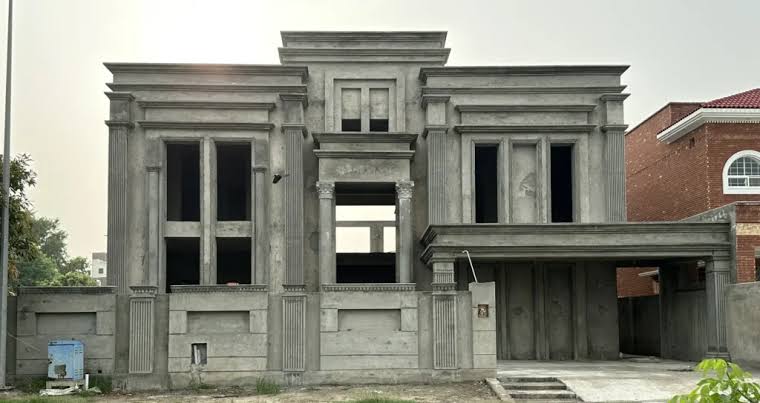
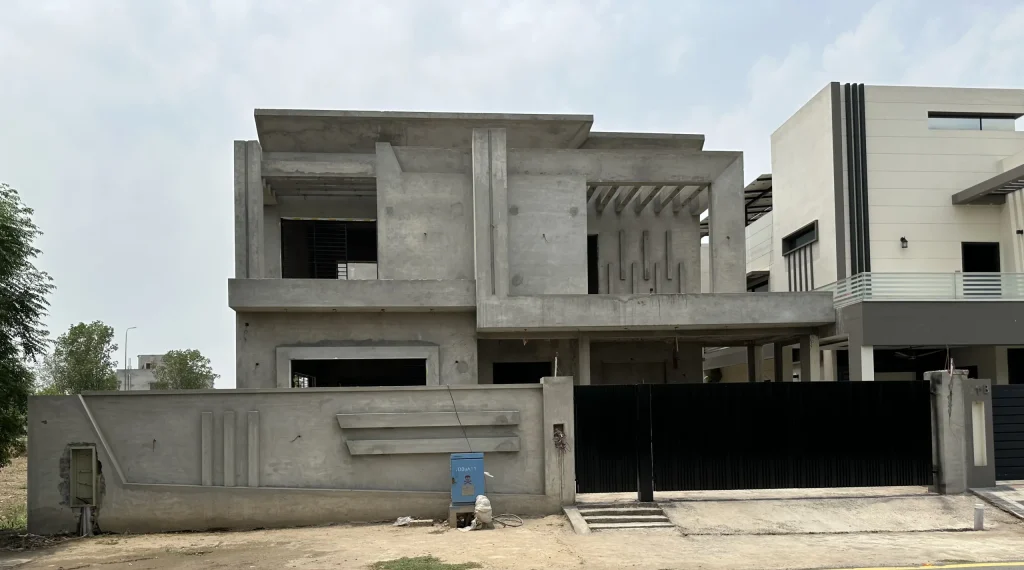
Building a home is a journey that begins with a solid foundation—the grey structure. In the construction industry, the “grey structure” refers to the skeletal phase of a building. It includes everything from the foundations and walls to the roof and basic wiring, but stops before the “finishing” (tiles, paint, and woodwork) begins.
The strength and longevity of your home depend entirely on the quality of materials used during this phase. If the grey structure is weak, even the most expensive finishing won’t save the building from cracks or structural issues.
Core Materials in Grey Structure Construction
To ensure a building stands the test of time, contractors focus on high-strength, durable materials. Here is a breakdown of the essentials:
Rebar (Steel Reinforcement)
Steel reinforcement bars are the backbone of any grey structure, providing essential tensile strength to complement the compressive power of concrete. By absorbing stresses from heavy loads and environmental shifts, rebar prevents structural cracking and collapse. High-quality steel ensures the skeleton of your building remains flexible yet firm, protecting the foundation, columns, and slabs. It is a critical investment that guarantees long-term stability and safety for every floor of your construction project.
Pro Tip
Always insist on Grade 60 steel for your project. Before pouring concrete, verify that the rebar is free of heavy rust and properly spaced according to structural drawings. These small checks prevent future structural fatigue and ensure maximum load-bearing capacity.
Bricks or Concrete Blocks
Bricks and concrete blocks serve as the primary building units that define the shape and strength of your walls. Selecting the right masonry material depends on your climate, budget, and structural requirements. While traditional bricks offer excellent thermal insulation and a classic aesthetic, concrete blocks provide superior speed and uniformity. Both materials are essential for creating the durable partitions and load-bearing walls that form the protective shell of a grey structure.
First-Class Bricks
First-class bricks are the gold standard for high-quality masonry. These bricks are thoroughly burnt in kilns, resulting in a distinct deep red or copper color and a smooth, rectangular shape with sharp edges. When struck together, they produce a clear metallic ringing sound, indicating high density and minimal water absorption. Their superior strength makes them ideal for permanent, heavy-duty structural work.
Concrete Blocks
Concrete blocks are a modern alternative favored for their impressive size and consistency. Manufactured from a precise mix of cement, sand, and fine aggregates, these blocks allow for faster construction and reduced mortar consumption compared to traditional bricks. They offer excellent fire resistance and sound insulation, making them a practical choice for contemporary residential and commercial projects seeking efficiency and structural integrity.
Cement
Cement is the vital binding agent that holds your entire grey structure together. When mixed with water, it initiates a chemical reaction called hydration, transforming into a stone-like mass that fuses bricks, sand, and aggregates into a solid unit. Selecting a premium, high-strength brand is essential for ensuring the durability of your slabs and pillars. Fresh, high-quality cement prevents common issues like cracks, seepage, and structural weakening over time.
Sand and Aggregates (Crush)
Sand and aggregates are the essential fillers that provide volume and stability to concrete and mortar. Often referred to as “fine” and “coarse” aggregates, these raw materials must be clean and free from organic impurities to ensure a strong chemical bond with cement. The right blend creates a dense, rock-solid mass capable of supporting the immense weight of the building while resisting the harsh effects of moisture and temperature changes.
Sand
Sand acts as the fine aggregate in construction, filling the microscopic voids between larger stones to create a compact mixture. For high-quality masonry and plastering, it is crucial to use sharp, well-graded sand that is free of salt and silt. Clean sand ensures that the mortar adheres perfectly to bricks and creates a smooth, durable finish that prevents future wall cracks.
Aggregates (Crush)
Aggregates, commonly known as “crush” or “bajri,” provide the structural strength required for foundations, columns, and roof slabs. These crushed stones must be sourced from high-quality quarries to ensure they are hard and durable. When combined with cement and sand, they form the skeletal bulk of concrete, determining its load-bearing capacity and overall resistance to heavy structural pressure and wear.
Underground Piping and Conduits
The grey structure stage includes the installation of internal plumbing pipes and electrical conduits (the pipes that house your wiring). Once the walls are plastered, these become inaccessible, so using high-pressure, leak-proof materials is vital.
Why the Choice of Contractor Matters?
Hiring an expert contractor is the difference between a building that lasts decades and one that requires constant repairs. A professional team brings technical precision, ensuring that the architectural blueprints are translated accurately onto the ground. They manage skilled labor, oversee material quality, and identify potential structural risks before they become permanent problems. Ultimately, a reliable contractor provides peace of mind, ensuring your investment is safe and your structure is built to code.
Expertise in Ratios
The strength of concrete and mortar depends on the precise chemical balance of cement, sand, and water. An experienced contractor understands these ratios deeply, ensuring the mix is neither too lean nor too rich. Proper mixing prevents future issues like honeycombing in pillars or crumbling plaster, creating a rock-solid foundation that can withstand extreme pressure and environmental changes without losing its integrity.
Precision and Alignment
In construction, a few millimeters can make a massive difference. Quality contractors use advanced tools like spirit levels, plumb bobs, and laser levels to ensure every wall is perfectly vertical and every slab is completely flat. This precision prevents structural imbalances and ensures that the finishing phase—such as installing cabinets, tiles, and windows—proceeds smoothly without the need for costly and frustrating structural corrections.
Time and Waste Management
A seasoned contractor streamlines the construction process by synchronizing material deliveries and labor schedules to avoid costly delays. They also practice strict material oversight, ensuring that expensive items like steel and cement are used efficiently rather than wasted. By minimizing debris and optimizing every work hour, professional management keeps the project within budget and ensures the grey structure is completed on schedule without compromising quality.
Conclusion
Building a robust grey structure is the most critical phase of construction. By combining premium materials like Grade 60 steel and first-class bricks with a skilled contractor, you secure your building’s longevity. Prioritize quality today to ensure a safe, durable foundation that stands the test of time for your future home.