

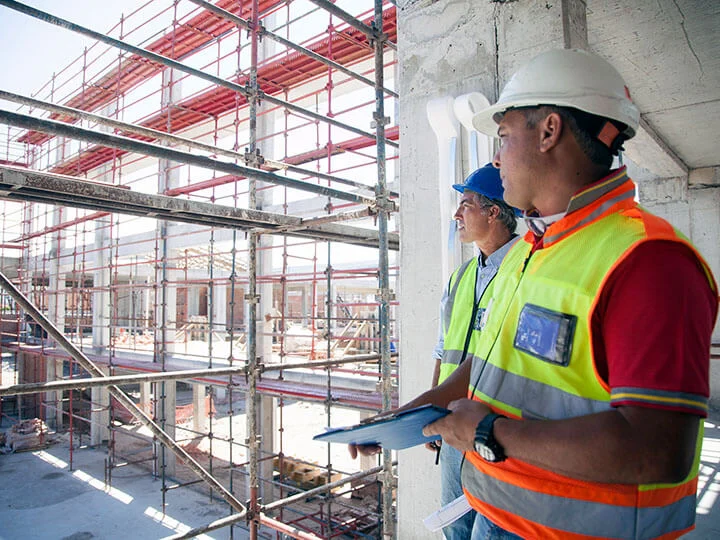
In the rapidly evolving landscape of Pakistan’s construction and industrial sectors, the difference between a landmark project and a structural failure often lies in the quality of the materials used. Whether you are developing a high-rise in Karachi, a highway in Punjab, or a residential complex in Islamabad, professional material lab testing is no longer a luxury—it is a regulatory and safety necessity (METS Lab UK, 2026).
Investing in certified testing services ensures that your project is built on a foundation of data rather than assumptions. Here is why professional material testing is essential for your next venture in Pakistan.
Ensuring Structural Integrity and Public Safety
Structural integrity is the backbone of any construction project in Pakistan. Professional material testing ensures that every component—from the foundation to the roof—can withstand environmental pressures, seismic activity, and heavy loads. By identifying internal flaws or sub-standard materials early, these services mitigate the risk of catastrophic collapses. Prioritizing rigorous testing protocols is not just a regulatory requirement; it is a moral obligation to protect human lives and ensure long-term urban resilience.
Concrete Testing
Concrete is the most widely used material in Pakistan’s infrastructure. Professional testing assesses compressive strength, workability, and durability through slump tests and cylinder crushing. These evaluations ensure the mix can endure Pakistan’s varied climate and high-traffic demands. Verifying that concrete meets specific psi requirements prevents premature cracking and structural degradation, guaranteeing that your building remains robust and maintenance-free for decades.
Steel Testing
In a country prone to tectonic shifts, steel testing is vital for seismic safety. Labs evaluate the tensile strength, yield point, and elongation properties of reinforcement bars (rebars). This ensures the steel provides the necessary flexibility and “grip” within concrete structures. Certified testing prevents the use of brittle, low-grade recycled steel, which is essential for the stability of high-rise developments and bridges.
Soil Investigation
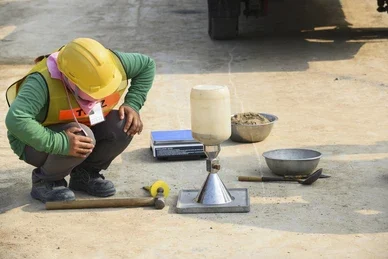
Before a single brick is laid, soil investigation determines the ground’s load-bearing capacity and chemical composition. In regions like the Indus Plain or coastal Karachi, soil conditions vary drastically. Testing identifies potential settlement issues, salinity levels, and moisture content. This data allows engineers to design the correct foundation type, preventing the future sinking, tilting, or structural instability of the entire project.
Compliance with National and International Standards
To operate legally and maintain credibility in Pakistan, projects must adhere to rigorous standards. Professional labs ensure your materials meet the specifications set by:
PSQCA (Pakistan Standards and Quality Control Authority)
The PSQCA is the national guardian of product quality in Pakistan. It mandates that construction materials meet specific “Pakistan Standards” to ensure public safety and environmental protection. For developers, PSQCA certification is a mark of trust, proving that materials like cement and PVC pipes have undergone rigorous testing. Compliance is essential for legal operation and competing in the formal market.
International Standards
In a globalized economy, adhering to international benchmarks like ASTM, ISO, and British Standards (BS) is crucial. These standards provide a universal language of quality, ensuring that Pakistani projects meet world-class safety and durability metrics. Utilizing international protocols during material testing enhances the export potential of local products and ensures that large-scale infrastructure projects remain resilient against global environmental challenges.
PEC (Pakistan Engineering Council)
The PEC serves as the regulatory backbone for the engineering profession in Pakistan. It sets the technical framework and ethical guidelines for all construction and engineering works. PEC-registered projects must utilize certified material testing to ensure structural viability. Following PEC mandates ensures that engineers and contractors maintain high professional standards, minimizing risks and ensuring the successful execution of national development goals.
Cost Efficiency and Risk Mitigation
While testing requires an upfront investment, it significantly reduces long-term costs. By identifying sub-standard materials before they are integrated into a project, developers can avoid:
Expensive Rework
Identifying material defects after construction begins is a financial disaster. Once concrete is poured or steel is encased, correcting errors requires demolition and reconstruction, which can double or triple original costs. Professional testing catches these issues at the source, ensuring that every batch meets specifications. This proactive approach prevents project delays and protects your budget from the high price of avoidable mistakes.
Maintenance Reductions
High-quality materials are the secret to a building’s longevity. By verifying the durability and chemical resistance of materials during the testing phase, you ensure that the structure can withstand Pakistan’s harsh weather and environmental stressors. This results in significantly lower long-term maintenance costs, as the building remains resistant to cracks, corrosion, and structural wear, preserving its value and functionality for years.
Legal Liabilities
In today’s regulated construction environment, failure to provide certified test reports can lead to severe legal consequences. If a structural failure occurs, developers without documented proof of material quality face lawsuits, heavy fines, and the potential loss of their operating licenses. Professional testing provides a robust paper trail, protecting your business from litigation and proving that you exercised due diligence in safety.
Key Materials Tested in Pakistani Labs
| Material | Key Tests Performed | Importance |
| Soil | Compaction, Moisture Content, CBR | Determines foundation depth and type. |
| Concrete | Slump Test, Compressive Strength | Ensures the “mix” can hold the design load. |
| Steel | Yield Strength, Elongation, Bend Test | Crucial for reinforced concrete structures. |
| Asphalt | Stability, Bitumen Content, Flow | Essential for durable, weather-resistant roads. |
| Aggregates | Sieve Analysis, Crushing Value | Affects the overall strength of concrete mixes. |
Utilizing Advanced Technology and Expertise
Modern material testing in Pakistan has moved beyond manual inspection. Leading laboratories now utilize automated compression machines, ultrasonic pulse velocity testers, and advanced chemical analyzers to deliver high-precision results. This fusion of cutting-edge technology and technical expertise allows for the detection of microscopic flaws that traditional methods miss. By leveraging these advanced tools, developers can ensure their projects meet the sophisticated engineering demands of contemporary industrial and residential infrastructure.
Accurate Findings
Precision is the cornerstone of effective material testing. Using calibrated equipment and standardized protocols, professional labs provide data that leaves no room for guesswork. Whether it is measuring the exact moisture content in soil or the precise yield strength of steel, accurate findings empower engineers to make critical decisions. This reliability ensures that every structural calculation is backed by verified, high-quality data.
Expert Advice
Beyond raw data, professional testing services offer invaluable technical insights. Experienced engineers interpret lab results to identify potential risks and suggest corrective measures if materials fall short of standards. This guidance helps contractors optimize material usage without compromising safety. Access to expert advice transforms simple test reports into a strategic roadmap, ensuring your project remains compliant, durable, and cost-effective throughout its lifecycle.
Final Thoughts
Professional material lab testing is a vital investment in the safety and longevity of Pakistan’s infrastructure. By ensuring compliance with PSQCA and international standards, you protect your project from financial loss and legal risks. Build with confidence—verify your material quality today to ensure a secure, durable, and successful future.