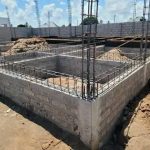


In the high-stakes world of construction, “quality” isn’t just a buzzword; it’s the foundation of safety, durability, and legal compliance. Whether you are developing a high-rise in Lahore, a commercial hub in Karachi, or a residential scheme in Islamabad, the integrity of your structure depends entirely on the materials used.
But how can you be sure that the concrete arriving on-site or the steel reinforcing your pillars actually meets the required specifications? The answer lies in rigorous Material Testing.
Why Material Testing is Non-Negotiable?
Material testing is the ultimate safeguard against structural failure and financial loss. In an industry where raw material quality varies significantly, relying on visual inspection is a high-risk gamble. Rigorous laboratory analysis provides the empirical data needed to verify that every component—from the foundation soil to the topmost steel beam—meets specific safety standards. Without these benchmarks, you jeopardize the lives of occupants and the long-term viability of your entire investment.
Ensuring Structural Integrity
Structural integrity is the backbone of any safe construction project. Material testing confirms that concrete mixes reach their required compressive strength and that steel reinforcement can withstand immense tension. By verifying these mechanical properties through standardized stress tests, engineers can guarantee that a building will remain stable under heavy loads, environmental pressures, and natural disasters, ensuring the structure stands firm for decades.
Cost-Efficiency in the Long Run
Investing in material testing upfront prevents the massive expenses associated with structural repairs, moisture damage, or foundational shifts later. Identifying sub-standard materials before they are integrated into a building is far cheaper than retrofitting a failing structure. Quality assurance reduces maintenance cycles and increases the property’s resale value, proving that precision during construction is the best way to protect your budget.
Compliance with Building Codes
Adhering to local and international building codes is a legal necessity for modern developers. Professional material testing provides the documented proof required by regulatory authorities to issue completion certificates and occupancy permits. By maintaining detailed lab reports, you demonstrate a commitment to safety standards, avoid heavy legal penalties, and ensure your project meets the strict criteria set by engineering governing bodies.
Key Material Tests Every Project Needs
To maintain a high standard of construction, your quality control (QC) checklist should include the following essential tests:
Concrete Testing
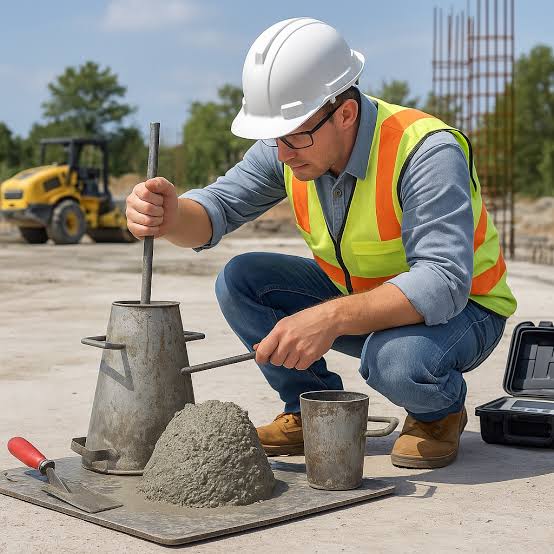
Concrete testing is vital to verify that the mix design matches the structural requirements of your project. Through slump tests for workability and compression tests for load-bearing capacity, engineers ensure the cured concrete can withstand specified pressures. These tests identify inconsistencies in the water-cement ratio or curing process, preventing premature cracking and ensuring the long-term durability of the foundation.
Soil & Aggregate Testing
The stability of any structure begins with the ground beneath it. Soil testing, including Proctor compaction and moisture analysis, determines the load-bearing capacity of the site to prevent shifting or sinking. Simultaneously, aggregate testing ensures that sand and crushed stone are free from organic impurities and correctly graded, creating a high-quality bond that strengthens the overall concrete matrix.
Steel Reinforcement Testing
Steel provides the essential tensile strength that keeps concrete from snapping under pressure. Testing reinforcement bars through tensile and bend-rebend analysis ensures they can absorb stress and deform without breaking during seismic activity or extreme loading. By verifying the grade and elasticity of the steel, developers can guarantee the skeletal framework of the building remains resilient and secure.
The Role of Expert Supervision
While local contractors may claim to “know by experience,” nothing replaces empirical data. Partnering with a third-party material testing laboratory provides an unbiased technical audit of your project.
Experts use calibrated machinery—such as Universal Testing Machines (UTM)—to provide precise digital reports that serve as a “health certificate” for your building.
Conclusion
Ultimately, material testing is the bridge between a blueprint’s vision and a structure’s reality. It replaces guesswork with scientific certainty, ensuring every phase of construction is backed by verified data. By prioritizing quality control today, you safeguard your investment against future risks, legal hurdles, and costly repairs. Build with peace of mind—partner with certified experts to ensure your project stands as a testament to safety, durability, and uncompromising excellence.