
Securing a home loan (or housing finance) in Pakistan can feel like navigating a maze. Whether you are aiming to buy a plot and construct, purchase a ready-made apartment, or finance a project through major conventional and Islamic banks (like Meezan Bank, Bank Alfalah, or Allied Bank), adding a builder or a housing developer into the mix introduces a whole new layer of scrutiny.
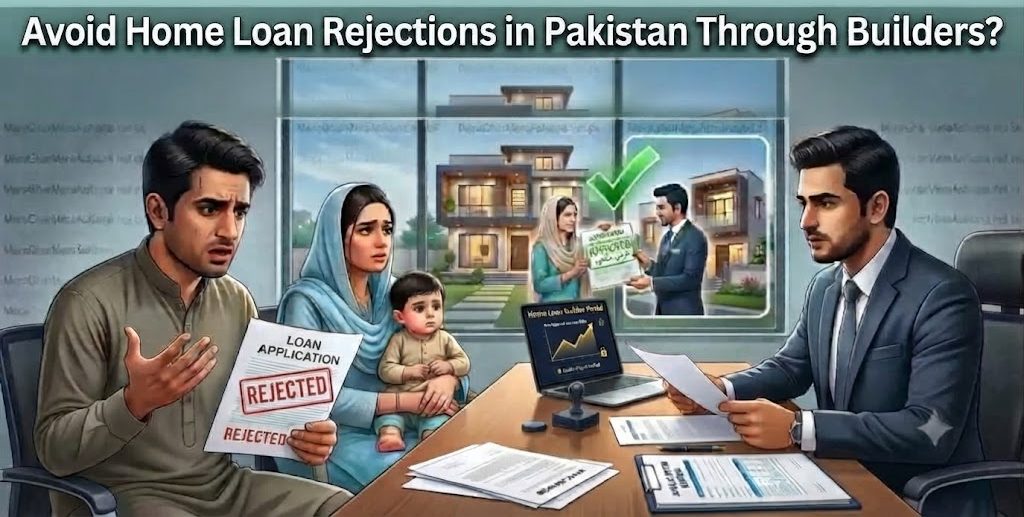
Many Pakistani applicants face heartbreaking loan rejections not because their personal income is low, but due to issues tied directly to the builder, the developer, or the construction project itself.
If you want to fast-track your dream of homeownership without running into bank rejections, here is a complete blog on how to protect your home finance application through builders in Pakistan.
The Real Reason Banks Reject Builder-Linked Home Loans
When a bank finances a home or construction project tied to a builder, they aren’t just vetting you (your salary, your Electronic Credit Information Bureau [e-CIB] score, and your Debt Burden Ratio); they are vetting the asset and the builder’s legal standing.
If a builder fails to deliver, has disputed land titles, or is blacklisted by municipal authorities, the bank’s collateral is put at risk. Consequently, the entire loan application gets rejected.
Key Steps to Avoid Rejection When Dealing with Builders
Protect your housing finance approval by vetting your builder carefully. Always partner with developers approved by local authorities and major banks. Verify that land titles are crystal clear, ensure construction cost estimates match independent bank valuations, and insist on transparent, documented payment trails to prevent costly loan denials.
Step 1: Verify the Builder’s Legal and Market Standing
Before putting down a token amount or signing an agreement with a builder, perform a deep background check:
Check Approvals
Ensure the builder/developer is officially registered and has a solid track record of completed projects.
Avoid Unapproved Societies
Banks maintain lists of approved and unapproved housing societies (check provincial portals like Punjab’s AHS portal or local Development Authorities like LDA, CDA, RDA, or MDA). If your builder is developing in a non-compliant or illegal housing scheme, commercial and Islamic banks will outright reject the loan application.

Step 2: Ensure Clear and Irrevocable Property Titles
Builders often sell files, open plots, or under-construction units on “pre-launch” or “installment” bases. Banks are extremely cautious about these:
The Chain of Title
The bank’s legal department requires a flawless, unbroken chain of ownership documents (Inteqal, Fard, or allotment letters).
Litigation-Free Land
If the builder is caught in land-grabbing cases, court injunctions, or environmental penalty disputes, your financing will stall permanently. Always ask your bank’s panel lawyer to informally vet the project documents before making heavy advance payments.
Step 3: Match the Builder’s Cost Estimates with Bank Valuers
When applying for a Plot + Construction or House Construction loan, the builder will provide a Bill of Quantities (BOQ) or a cost-to-build estimate.
The Valuation Gap
Banks send their own independent evaluators to assess the property and construction phase values.
Why it Causes Rejections?
If your builder quotes an inflated construction cost to squeeze extra cash out of the bank loan, the bank’s surveyor will catch the discrepancy. Banks only finance a specific percentage of the verified market/appraised value (usually up to 70% to 80%). A massive valuation mismatch leads to immediate adjustments or rejections.
Step 4: Understand Tranche-Based Disbursments
Unlike personal loans, construction loans through builders are rarely handed over in one lumpsum cash payment.
Milestone Payments
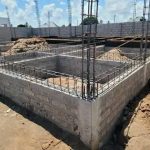
Banks release funds in stages (tranches)—such as foundation level, lintel level, and grey structure completion—verified by their technical inspectors.
The Conflict
Unprofessional builders often demand upfront lump-sum payments that contradict bank policies. If a builder refuses to cooperate with the bank’s inspection schedule or demands cash outside official banking channels, it raises massive red flags for compliance officers.
Step 5: Maintain Clean Personal Financial Hygiene
Even if the builder is world-class, you must pull your weight on the financial end:
cIB Clearance
Ensure you have no active overdue credit cards, past default histories, or late utility payments on your e-CIB report.
Strict DBR Limits
Most Pakistani banks enforce a Debt Burden Ratio (DBR) of 40% to 50%. Your total monthly loan installments (including the prospective housing payment) cannot cross roughly half of your verified net monthly income.
Summary Checklist for Homebuyers
| Potential Pitfall | How to Fix It? |
| Illegal/Unapproved Society | Cross-check the project with local development authorities (LDA, CDA, etc.) and bank-approved panels. |
| Disputed Builder History | Partner only with tier-1 or reputed developers with a proven delivery record. |
| Inflated Construction Quotes | Keep construction estimates realistic and aligned with standard market rates per square foot. |
| Non-Transparent Cash Payments | Ensure all financial transactions with the builder have proper paper trails through banking channels. |
Final Thoughts
Avoiding a home loan rejection when buying or building through a developer comes down to pre-emption and transparency. Always consult the bank’s designated housing finance officers before finalizing contracts with a builder. By choosing an approved project, ensuring clean paperwork, and keeping your personal income documents transparent, you can secure your housing finance smoothly and step into your new home stress-free.