


Construction is an investment in durability and safety. Whether you are developing a commercial skyscraper or a residential complex, the integrity of the structure depends entirely on the quality of the materials used. Skipping material testing is not a cost-saving measure; it is a significant risk that can lead to structural failure, legal liabilities, and massive financial loss.
Here is why comprehensive testing is a non-negotiable step in the pre-construction phase.
Ensuring Structural Integrity and Safety
The primary goal of material testing is to verify that concrete, steel, and masonry meet specific load-bearing requirements. By analyzing compressive strength and tensile durability, engineers ensure a structure can withstand environmental stressors and heavy daily use. Identifying weak points before construction begins prevents catastrophic collapses and structural failures. This proactive approach guarantees that every component functions as intended, providing a secure environment for future occupants while maintaining the building’s long-term stability.
Compliance with Regulatory Standards
Adhering to international and local building codes is a legal necessity for any construction project. Material testing provides the documented proof required by authorities to verify that your project meets ASTM or ISO safety benchmarks. Without certified test reports, developers face significant risks, including heavy financial penalties, work-stoppage orders, or the denial of insurance coverage. Rigorous testing ensures your project remains fully compliant, facilitating smoother inspections and protecting your professional reputation.
Long-Term Cost Savings
While material testing involves an upfront cost, it serves as a critical financial safeguard. Detecting sub-standard materials early prevents expensive “quality surprises,” such as foundation cracks or moisture ingress, that often appear after project completion. Repairing structural defects in an occupied building is exponentially more costly than replacing faulty batches during the pre-construction phase. Investing in testing today minimizes future maintenance expenses and protects the overall valuation of your real estate asset.
Verification of Supplier Quality
Even the most reputable suppliers can occasionally deliver inconsistent batches of material. Independent testing acts as an essential quality control gate, ensuring that the steel, cement, or aggregates received match the technical specifications in your contract. It provides an objective, data-driven basis to reject materials that fail to meet project standards. This transparency holds suppliers accountable and ensures that only high-grade components are integrated into your build, maintaining consistent quality throughout.
Optimizing Material Usage
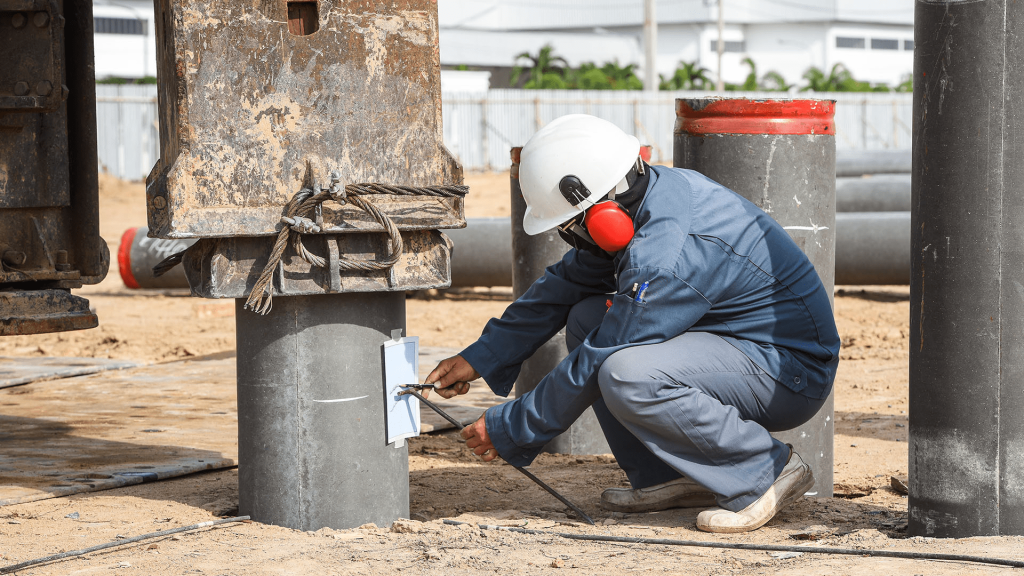
Testing provides precise data on the physical properties of soil and materials, allowing engineers to refine their designs with accuracy. Instead of over-designing—which leads to unnecessary waste and inflated budgets—precision testing enables “lean construction” practices. It ensures you use exactly the right amount of material to achieve safety goals without sacrificing performance. This optimization reduces environmental impact and lowers material procurement costs, resulting in a project that is both structurally sound and economically efficient.
Core Material Tests You Should Prioritize
| Material | Key Tests |
| Soil | Compaction, moisture content, and bearing capacity. |
| Concrete | Slump test for workability and cube/cylinder tests for compressive strength. |
| Steel | Tensile strength, bend tests, and chemical analysis for corrosion resistance. |
| Bricks/Blocks | Water absorption and crushing strength. |
| Aggregates | Sieve analysis and abrasion resistance. |
Final Thoughts
Ultimate success in construction depends on the quality of your foundational materials. Prioritizing rigorous testing ensures structural safety, legal compliance, and long-term financial stability. By verifying material integrity before ground is broken, you eliminate costly risks and ensure your project stands the test of time. Don’t leave your investment to chance—partner with a certified testing laboratory today to guarantee that your building is safe, efficient, and built to last.