
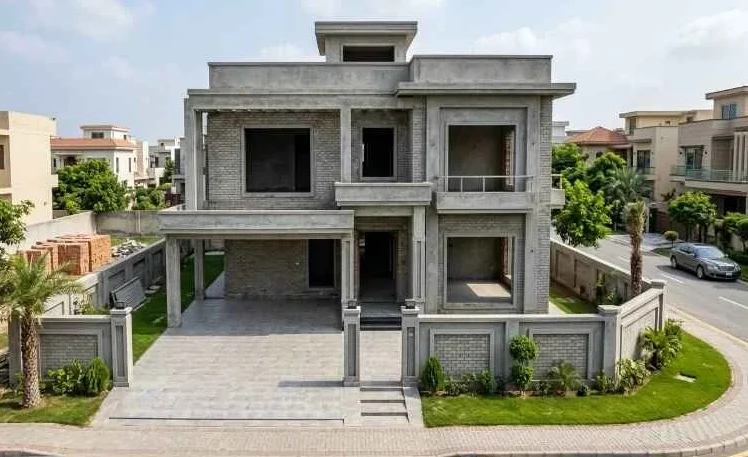
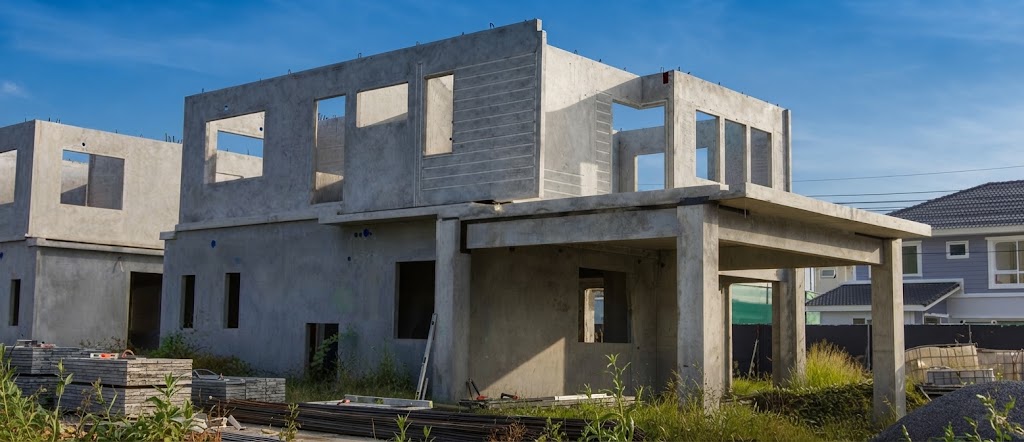
When building a residential property, the process is generally split into two major stages: the Grey Structure and the Finishing. While the finishing stage—complete with polished floors, modern light fixtures, and vibrant paint—is what makes a house a home, the grey structure is what makes a house last.
In the construction world, the grey structure is the “skeleton” of your project. If the skeleton is weak, the most beautiful skin in the world won’t keep it standing. Here is why prioritizing this phase is essential for any residential project.
What is Included in a Grey Structure?
Think of the grey structure as the essential shell of the building. It typically includes:
The Foundation
The foundation is the most critical element of any residential project, acting as the anchor for the entire building. It bears the total weight of the structure and distributes it evenly to the ground to prevent sinking or shifting. By using high-quality materials and precise engineering, a solid foundation protects your home against soil movement, moisture, and long-term structural instability.
Structural Walls
Structural walls form the essential framework of your home, providing the necessary strength to support upper floors and the roof. Built from high-density bricks or concrete blocks, these walls provide more than just a layout; they offer vital thermal insulation and soundproofing. Expertly constructed walls ensure perfectly vertical surfaces, which are crucial for a flawless finish during the later stages.
Roof Slabs
The roof slab is your home’s primary shield against the elements. Constructed with reinforced concrete and high-grade steel, it must be engineered to handle both dead and live loads safely. Beyond structural strength, the grey structure phase includes critical waterproofing and heat insulation treatments for the slab. This ensures the interior remains dry and comfortable regardless of the external weather conditions.
Internal Systems
Hidden within the grey structure, internal systems comprise the essential “veins and arteries” of the house. This includes the installation of high-durability plumbing pipes and electrical conduits before the walls are sealed. Proper planning at this stage prevents the need for future dismantling, ensuring that your water supply, drainage, and power systems function seamlessly and remain leak-free for decades.
Plastering
Plastering is the final step of the grey structure phase, transforming raw masonry into smooth, even surfaces. This protective layer seals the brickwork, adding an extra level of resistance against moisture and environmental wear. High-quality plastering is essential for aesthetic success, as it provides the perfectly level canvas required for flawless paint application and decorative woodwork during the finishing stage.
Structural Integrity and Safety
The primary purpose of a high-quality grey structure is safety. This phase involves the placement of steel reinforcement and the pouring of concrete. Using premium-grade materials and the correct mixing ratios ensures that the house can withstand environmental stressors, such as seismic activity or heavy rainfall. A compromised grey structure leads to wall cracks and foundation settling—issues that are often dangerous and nearly impossible to fix later.
Protection Against Moisture and Seepage
One of the biggest headaches for homeowners is water seepage. This problem almost always starts during the grey structure phase. Expert construction teams focus on:
Proper Waterproofing
Waterproofing is a vital defensive layer applied during the grey structure phase to prevent moisture from infiltrating your home. By sealing foundations, basements, and roof slabs with high-grade barriers, you stop dampness before it starts. This proactive step is essential for protecting structural integrity, preventing mold growth, and ensuring that your expensive interior paint and woodwork remain pristine for years.
High-Quality Plumbing
High-quality plumbing serves as the hidden infrastructure that keeps a home functional. Installing durable, leak-proof pipes and secure joints within the walls during the structural phase is non-negotiable. This prevents the nightmare of internal leaks, which can weaken the building and ruin aesthetics. Expert installation ensures consistent water pressure and reliable drainage, providing a seamless experience and long-term peace of mind.
The “Point of No Return”
You can easily swap out a bathroom vanity, change your floor tiles, or repaint your living room five years after moving in. However, you cannot change the thickness of your beams or the quality of the cement in your walls once the house is complete. The grey structure is a one-time opportunity to get things right. Cutting corners here for the sake of “saving money” for a better kitchen is a choice that many homeowners regret once structural flaws become visible.
Enhanced Resale Value
In a competitive real estate market, savvy buyers look beyond the surface. A home built by experts who can prove the quality of the grey structure (through documentation of materials and structural maps) commands a much higher resale price. It provides the buyer with peace of mind that they aren’t purchasing a “lipstick on a pig” scenario—where a beautiful interior hides a crumbling core.
Grey Structure vs. Finishing: A Quick Comparison
| Feature | Grey Structure Phase | Finishing Phase |
| Visibility | Hidden behind walls/plaster | Fully visible and aesthetic |
| Duration | Long-term (Decades of stability) | Short-term (Trends change) |
| Flexibility | Permanent (Cannot be changed) | Changeable (Easy to renovate) |
| Cost Focus | Strength and raw materials | Design and luxury items |
Why You Should Book Experts?
Building a grey structure isn’t just about stacking bricks; it’s an engineering feat. Professional construction firms bring:
Technical Supervision
Technical supervision ensures that every architectural detail is executed with engineering precision. Expert supervisors monitor the steel binding, concrete mixing ratios, and curing processes to prevent human error on-site. By maintaining strict quality control during the grey structure phase, they ensure that the building’s skeletal strength meets safety standards, preventing future structural failures and ensuring a smooth transition into finishing.
Material Knowledge
Superior material knowledge is the difference between a house that lasts and one that requires constant repair. Understanding the specific grades of steel, the strength of cement, and the quality of sand or gravel ensures a resilient build. Experts select materials based on environmental factors and load requirements, ensuring the grey structure is optimized for durability, weather resistance, and long-term stability.
Regulatory Compliance
Regulatory compliance is essential for the legal and structural safety of your residential project. Professional teams ensure that every aspect of the grey structure aligns with local building codes, setback requirements, and safety protocols. Adhering to these standards not only prevents costly legal disputes and fines but also guarantees that your home is officially certified as a safe, habitable structure.
Conclusion
The grey structure is the silent guardian of your home. It protects your family, secures your financial investment, and provides the necessary canvas for your interior design dreams. When planning your residential project, remember: Invest in the core first, and the beauty will follow.
Ready to start your project? Ensure your home has the strength it deserves by booking experts who specialize in high-quality structural construction.