
Choosing the right flooring for a house in Pakistan is a major milestone. Whether you are building a brand-new home in an upscale housing society like DHA or Bahria Town, or giving an older property a much-needed renovation, your floors endure a lot. From scorching summer heat waves and monsoon humidity to heavy family gatherings and high foot traffic, your choice of flooring needs to balance durability, climate adaptability, aesthetics, and budget.
With so many materials available in the local market—ranging from traditional marble to modern wood-look tiles—which one is truly the best?
Let’s break down the top flooring options in Pakistan to help you make the right choice for your home.
Tiles (Porcelain and Ceramic): The Ultimate All-Rounders
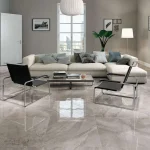
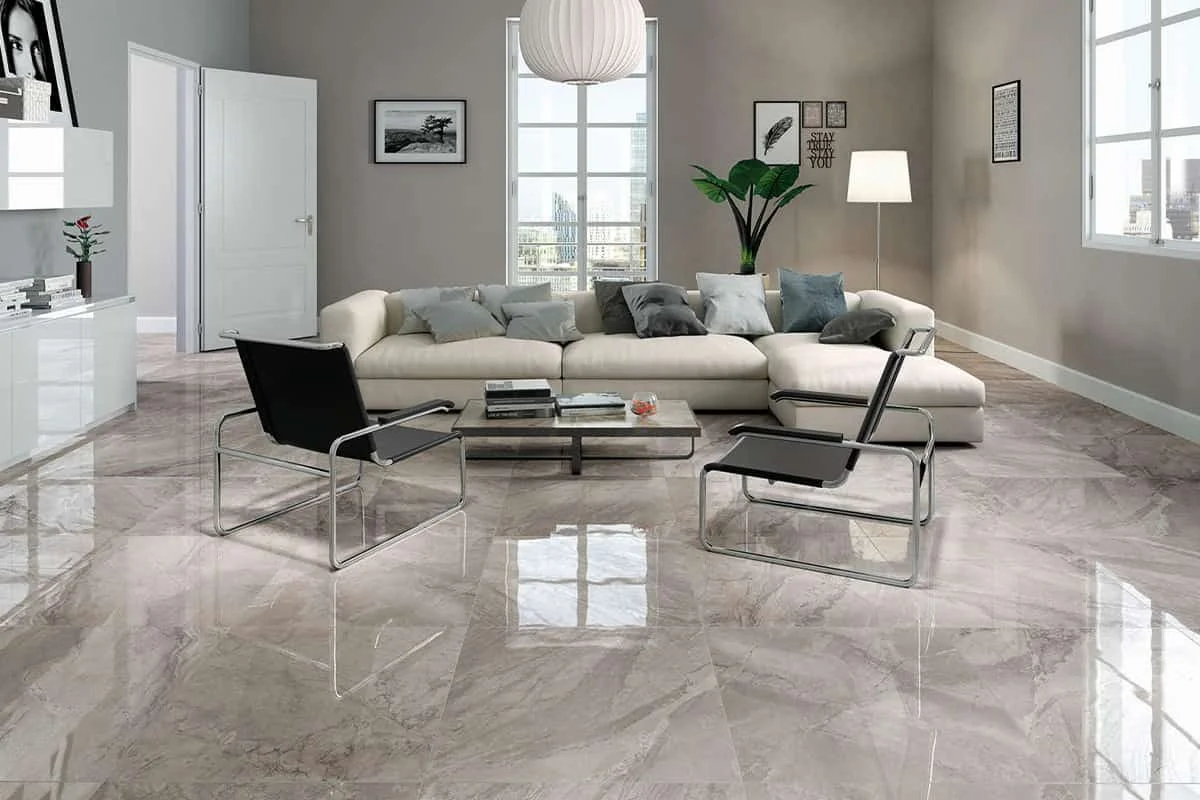
When you walk into modern Pakistani homes, tiles are easily the most common sight—and for good reason. Available in endless designs, sizes (including popular large-format slabs), and finishes, tiles adapt seamlessly to any room.
Porcelain Tiles
Dense, sturdy, and highly resistant to stains and scratches. They are waterproof, making them ideal for kitchens, bathrooms, high-traffic corridors, and entryways.
Ceramic Tiles
A more budget-friendly alternative that works wonderfully in bedrooms and utility spaces.
Why it Fits Pakistan?
Tiles are exceptionally easy to clean (crucial in dusty urban environments) and hold up well against heavy furniture and constant use.
Pros
Highly durable, water-resistant, wide variety of designs (including marble-look and wood-look tiles).
Cons
Can feel very cold and hard during Pakistan’s brief winter months unless paired with area rugs.
Marble and Natural Stone: The Timeless Classic
Marble has been a staple of Pakistani architecture for decades. Local varieties like Ziarat White, Sunny Grey, and Botticino are deeply woven into the country’s housing culture.
Why it Fits Pakistan?
Pakistan is home to rich natural stone quarries, making marble readily accessible across various price points. Crucially, marble offers a natural cooling effect that provides massive relief during sweltering summer months.
Granite
Often used for kitchen countertops, granite flooring is also gaining popularity in high-traffic commercial and residential spaces due to its impenetrable strength and scratch resistance.
Pros
Extremely long-lasting, adds high aesthetic value, keeps indoor temperatures cooler in summer.
Cons
Prone to staining (especially from acidic substances like tea or citrus), requires regular grinding and polishing to maintain its shine, and can be slippery.
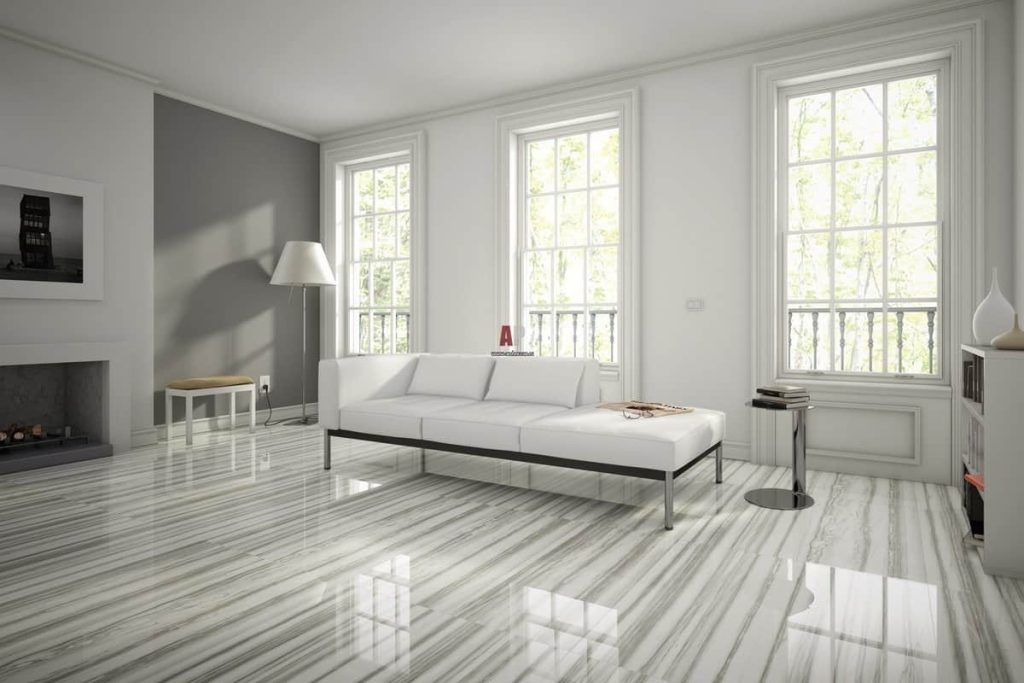
Wood Flooring (Hardwood, Engineered, and Laminate): Modern Warmth
If you are aiming for a cozy, contemporary, or luxury aesthetic, wood flooring has seen a massive surge in popularity across urban centers like Lahore, Karachi, and Islamabad.
Solid Hardwood
The high-end option using local or imported timber (like ash or teak). It looks magnificent in master bedrooms and formal drawing rooms but requires careful maintenance.
Engineered & Laminate Wood
Cost-effective alternatives. Laminate flooring mimics the look of real wood using a photographic top layer over compressed fiber, offering a stylish look on a medium budget. Trendy layouts like herringbone and parquet patterns are especially favored for formal lounges.
Why it Fits Pakistan?
It adds an instant layer of warmth and sophistication, making rooms feel cozy during winters. However, care must be taken to protect it from moisture and termite issues.
Pros
Highly aesthetic, softer underfoot, great for bedrooms and television lounges.
Cons
Susceptible to water damage (not ideal for kitchens or damp ground-floor areas) and vulnerable to termites if not properly treated.
Vinyl Flooring: Affordable and Practical
Vinyl flooring is rapidly gaining traction for budget-conscious homeowners and apartment renters looking for a quick upgrade. Available in sheets or planks, vinyl can mimic wood, stone, or geometric tile patterns.
Why it Fits Pakistan?
It is budget-friendly, water-resistant, and soft underfoot. It is a practical solution for kids’ play areas, casual kitchens, or rental portions.
Pros
Inexpensive, easy to install, highly low-maintenance.
Cons
Can tear or puncture under sharp, heavy furniture legs; doesn’t add the same structural property value as tile or marble.
Which One Should You Choose?
The “best” flooring ultimately depends on where you are installing it within the house:
For Living Rooms & Drawing Rooms
Porcelain tiles, marble, or trendy wood-look herringbone patterns create a grand, welcoming first impression for guests.
For Kitchens & Bathrooms
Go exclusively with water-resistant materials like porcelain tiles or granite. Avoid wood or laminate in wet zones.
For Bedrooms
Laminate wood flooring or warm tiles provide the comfort and coziness you want when waking up on cooler mornings.
For Tight Budgets
Standard local marble slabs or ceramic tiles offer great longevity without breaking the bank.