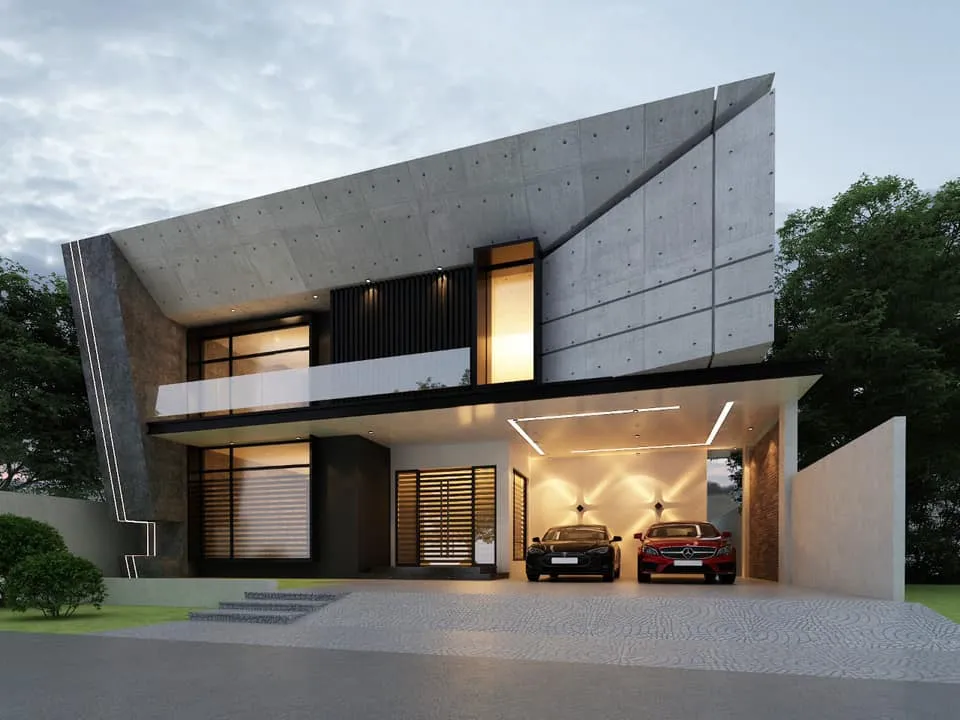
A building renovation project in Lahore is an exciting journey a chance to blend the city’s rich history with modern aesthetics and functionality. The city of gardens, a hub of culture and rapid development, offers both immense opportunity and unique challenges for any remodeler.
Whether you’re updating a family home in Model Town, modernizing a commercial space in Gulberg, or adding a floor in DHA, thorough preparation is key to a successful, on-time, and on-budget outcome. This detailed guide covers every critical aspect you must know before the first brick is moved, focusing specifically on the Lahore context.
The Pre-Renovation Master Plan: Vision, Scope, and Budget
A successful renovation project hinges on a thorough and clear master plan established before any physical work begins. This initial planning phase acts as the blueprint, defining the project’s goals, setting realistic boundaries, and allocating financial resources. Especially in a dynamic market like Lahore, meticulous planning prevents miscommunication, controls costs, and mitigates risks associated with unexpected structural issues or material price hikes, ensuring the final outcome aligns perfectly with your expectations.
Define the Scope and Vision
It is crucial to meticulously define what you intend to achieve before hiring contractors. You must move beyond general ideas like “modern bathroom” to specific details, such as “adding a walk-in shower, replacing current tiles with granite, and installing a wall-hung toilet.” This clear definition of the scope specifies every task, material, and desired change. For older properties, this stage should also include a structural engineer’s inspection to confirm the existing building can safely support your planned alterations or additions, preventing costly failures later.
Crafting a Realistic Lahore Budget
The financial blueprint for your renovation must be grounded in current Lahore market realities for labor and materials. Start by gathering detailed quotations based on your defined scope to establish the total estimated cost. Crucially, always allocate a contingency fund—ideally 15% to 20% of the total budget—to cover unforeseen expenses. This buffer is essential for addressing issues discovered during demolition, like damaged piping or electrical wiring, or navigating sudden material price increases common in the local economy.
The Structural Check
For any renovation involving major layout changes, wall removal, or the addition of extra floors, a mandatory structural assessment is required. Hiring a qualified structural engineer in Lahore ensures the existing foundation, columns, and beams are sound and capable of bearing the new load. This check verifies the building’s integrity against design plans and is a non-negotiable step for long-term safety and compliance. Investing in this check upfront is vastly cheaper than dealing with structural failures or potential LDA demolition orders post-completion.
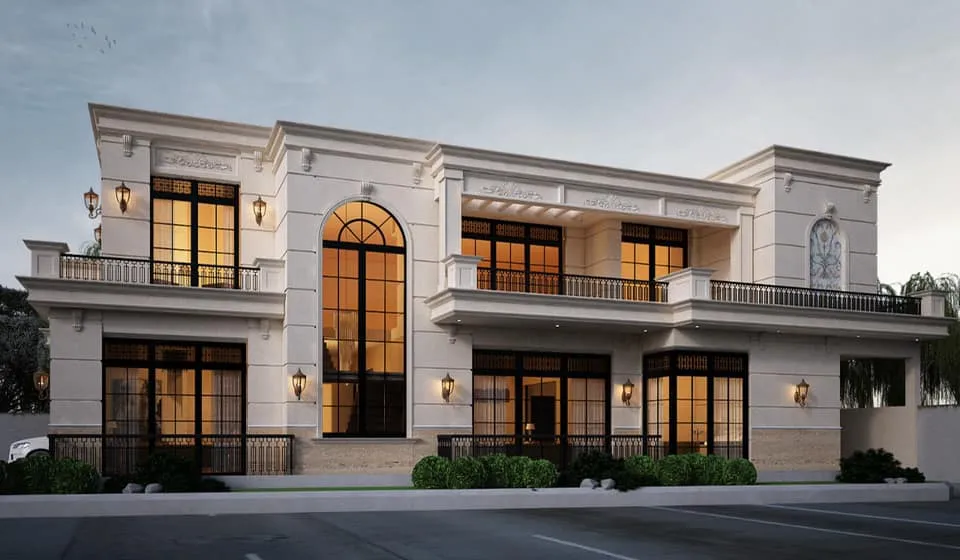
Navigating Legal & Regulatory Hurdles: The LDA Process
Undertaking a renovation in Lahore necessitates strict adherence to the regulations set by the Lahore Development Authority (LDA) or the respective authority for private schemes (like DHA). Ignoring these legal and regulatory hurdles is a significant risk, as it can lead to heavy penalties, forced demolition of unauthorized construction, or future difficulties when selling the property. Proper documentation and approval ensure your renovated structure is safe, compliant, and legally recognized, saving time and immense future expense.
The Requirement for LDA Approval
Any renovation involving structural changes, such as adding a floor, extending a room, or altering the facade of a building, requires an official Addition & Alteration Plan approved by the LDA. This legal mandate ensures that all new construction adheres to established safety codes, zoning laws, and building height restrictions in Lahore. To begin, you must engage a registered architect to prepare and submit the detailed drawings, confirming that your proposed changes are compliant with the latest municipal regulations before commencing any physical work.
The Submission Process
The official submission involves presenting the architectural and structural drawings, along with necessary legal documents, to the LDA. Key submissions include the completed application form, copies of the property ownership documents (e.g., Sales Deed), and an undertaking on stamp paper. Fees, calculated based on the proposed covered area, must also be paid. While the process has moved towards digitization, thorough checking and approval by various departments mean the timeline can extend several weeks, which must be accounted for in the overall project plan.
Post-Completion Requirements
Once the major structural and architectural work of the renovation is complete, the regulatory journey isn’t over. It is essential to notify the LDA or local authority and arrange for a final inspection of the property. The objective is to verify that the executed construction strictly matches the approved Addition & Alteration Plan. Upon successful inspection, the LDA issues a Completion Certificate. This certificate legally validates the construction, ensuring the property is fully compliant and simplifying any future sale or transfer of ownership.
Selecting the Right Team in Lahore
The success, quality, and smooth execution of your Lahore renovation project depend almost entirely on the team you hire. The city offers a vast, competitive market of contractors, from large-scale firms to individual masons, but not all provide the same level of reliability or quality. Thoroughly vetting your architect, contractor, and specialized tradesmen is a critical investment of time that directly prevents cost overruns, poor workmanship, and significant time delays down the line, ensuring a high-quality finished product.
Choosing Your Contractor/Firm
You must decide between a Turnkey Solution firm, which manages everything from design to material sourcing, or hiring a contractor for Labour & Supervision only. For complex renovations, a reputable Lahore turnkey firm offers integrated project management, reducing your day-to-day coordination stress. Always prioritize firms with demonstrable, local experience in your specific area (like DHA or Gulberg) and check references by visiting their recently completed projects to assess the quality and finish firsthand.
Understanding Labor Dynamics
Renovation labor in Lahore is typically specialized, featuring separate teams for masonry, plumbing, electrical work, and carpentry. Your main contractor should employ a skilled foreman (Mistri) capable of effectively coordinating these diverse tradesmen. While daily wages (Dihari) can range for skilled workers (e.g., PKR 1,500 to PKR 3,500 per day for masons/electricians as of 2025), focusing solely on the lowest quote is risky. Always prioritize experienced, quality tradesmen, as poor labor quality undermines expensive materials.
The Contract and Vetting Checklist
The final contract is your primary safeguard against project issues. It must clearly outline the Bill of Quantities (BOQ), specifying the brand and type of every material to be used (e.g., Grade 60 Steel, specific tile brand). Demand a fixed payment schedule tied strictly to measurable milestones—not just dates. Crucially, verify the contractor’s legal registration and check for a robust warranty on their work. Never pay more than a maximum 15-20% mobilization advance before work commences on site.
Materials, Sourcing, and Quality Control
The long-term durability and final aesthetics of your renovation are primarily determined by the quality of the materials used. In Lahore, sourcing materials requires navigating various markets to balance cost-effectiveness with performance. Compromising on critical structural elements is never advisable, as poor quality cement or steel can undermine the entire building’s integrity. Effective quality control, from the initial purchase to the final installation, is essential to ensure the materials meet the required specifications and are handled correctly on site.
Critical Structural Materials
Investment in high-grade structural materials is paramount for a safe and lasting renovation. Insist on certified Grade 60 steel (Sariya), which provides the necessary tensile strength for reinforcement. Similarly, only use cement from reputable Pakistani brands (e.g., Bestway, Lucky) and ensure you are getting A-Class (Awwal), machine-made bricks. Lesser quality bricks absorb excessive moisture and compromise wall strength. These core materials must be specified clearly in the contract’s Bill of Quantities (BOQ) to prevent last-minute cost-cutting by the contractor.
Finishing Materials & Aesthetics
Finishing materials define the look and feel of your renovated space, encompassing flooring, sanitary ware, paint, and woodwork. Lahore offers a wide spectrum of options, from local ceramic tiles to imported porcelain or marble. Carefully decide on the balance between cost and longevity; for instance, opting for factory-finished modular kitchens often provides better durability than on-site carpentry. Ensure that all sanitary and electrical fittings meet necessary safety standards and that you are present during the selection process to verify quality.
Sourcing and Quality Checks
Effective sourcing involves comparing prices across major Lahore markets while prioritizing reputable suppliers to avoid counterfeit or substandard goods. Once materials are delivered, quality control must be immediate. Cement must be stored in a dry environment, protected from moisture. Steel bars should be checked against the specified grade and gauge. For large-scale concrete work, consider hiring a third party to perform a slump test or testing samples at a lab to confirm the concrete mix strength, guaranteeing structural reliability.
The Timeline and Unexpected Delays
Renovation projects are almost universally prone to delays, and those in Lahore are no exception, often influenced by specific local factors. Establishing a clear, realistic timeline upfront is crucial for managing expectations and finances. While your contractor will provide an estimated duration, it is vital to anticipate and plan for common sources of disruption. Understanding and mitigating potential roadblocks—from bureaucratic processing times to market volatility—will help keep the project on track and minimize the financial stress associated with missed deadlines.
Common Lahore Delays
Several common issues can derail a project timeline in Lahore, the most frequent being bureaucratic processes. Waiting for LDA permit approvals for alterations can take weeks or months and must be factored in before ground work starts. Furthermore, the local supply chain is vulnerable; economic changes or transport strikes can cause sudden, major material shortages (like steel or cement). Seasonal monsoon rains (typically July to September) also severely interrupt exterior work, foundations, and roofing, necessitating a proactive schedule adjustment.
Mitigation Strategies
The most effective mitigation strategy is building a generous time buffer into the schedule—a minimum of 20% on top of the contractor’s estimated duration. Demand a detailed, fixed Project Schedule with specific, measurable milestones (e.g., ‘Plumbing rough-in complete by Nov 30’). Regular, mandatory site meetings with the contractor and foreman are essential for identifying potential delays early and developing immediate corrective actions. Ensure the contract holds the contractor accountable to these agreed-upon milestone dates.
Utility Connections and Handover
A frequent and overlooked source of delay involves securing new or upgraded utility connections like electricity from LESCO or water/sewerage from WASA. These government processes run on separate timelines and must be initiated early in parallel with the construction. Plan for a detailed handover phase, where all systems are tested, and any snag list (minor defects) is completed. A rushed handover often results in long-term problems, so allocate time for the final cleaning and inspection before taking possession.
Conclusion
Starting a building renovation project in Lahore requires far more than just financial resources; it demands patience, a strategic mindset, and a deep understanding of local laws and market dynamics. By meticulously planning your budget with a generous contingency, securing the necessary LDA/DHA permits before starting work, and choosing a reputable, well-vetted contractor, you set the stage for success.
Renovation in Lahore is an investment that enhances both the utility and the value of your property. Do your homework, stay involved, and you can transform your old building into a modern, compliant, and beautiful space that stands the test of time.