
Whether you’ve just bought an older property in Gulberg or want to modernize your family home in DHA, renovating in Lahore is a unique challenge. In 2026, the landscape has shifted—material costs are volatile, and “smart, sustainable living” is no longer just a buzzword; it’s a necessity for Lahore’s climate.
Here is everything you need to know before you break the first brick.
The 2026 Renovation Cost Breakdown
Inflation and supply chain shifts have pushed renovation rates higher. In Lahore, costs are generally calculated per square foot. Here is what you can expect to pay for different levels of work:
| Renovation Level | Estimated Rate (per sq. ft.) | What’s Included? |
| Basic Refresh | PKR 1,200 – 1,800 | Paint, minor electrical repairs, and floor polishing. |
| Moderate Remodel | PKR 2,000 – 3,500 | New flooring (tiles), updated bathrooms, and a modern kitchen. |
| Full Gut Reno | PKR 3,500 – 5,500 | Structural changes, new plumbing/wiring, and premium finishes. |
Current Material Prices (March 2026)
- Steel (Saria): ~PKR 228–232 per kg.
- Cement: ~PKR 1,350–1,450 per bag.
- A+ Bricks: ~PKR 25,000 per thousand.
Navigating Legal Approvals (LDA vs. DHA)
Securing the correct permits is the first critical step for any Lahore renovation. Legal requirements vary significantly depending on whether your property falls under the jurisdiction of the Lahore Development Authority or a private housing society like DHA. While minor interior updates usually bypass formal filing, structural changes, front elevation modifications, or room additions require approved revised drawings. Navigating these bureaucratic layers early prevents costly fines, construction halts, or future property transfer hurdles.
DHA Lahore
Renovating in DHA requires strict adherence to specific bylaws and architectural guidelines. Any structural modification or change to the building’s footprint must be vetted by the DHA Building Control Department. From setbacks to height restrictions, the society maintains a high standard of uniformity. Homeowners should ensure their contractors are familiar with DHA’s rigorous inspection phases to avoid heavy penalties or demolition orders.
LDA (Lahore Development Authority)
For established areas like Johar Town or Gulberg, LDA regulations focus heavily on structural integrity and land-use density. If your renovation involves converting residential space for commercial use or significant external alterations, obtaining an NOC is mandatory. The process involves submitting updated blueprints to the LDA one-window cell, ensuring your project aligns with the city’s broader urban planning and safety standards.
Bahria Town
Bahria Town operates with its own sophisticated design and town-planning wing, independent of provincial authorities. Before starting any work, residents must submit a formal application detailing the scope of renovation. The society is particularly focused on maintaining aesthetic harmony and utility infrastructure safety. Approval is generally efficient, provided your plans respect the original allotment’s boundary lines and designated green spaces.
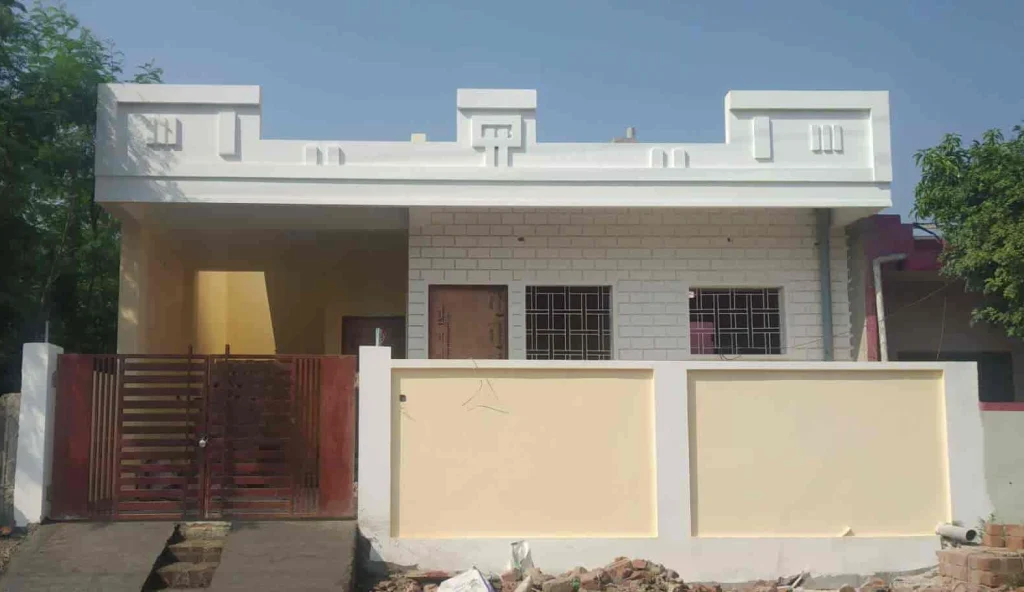
Top Design Trends in Lahore for 2026
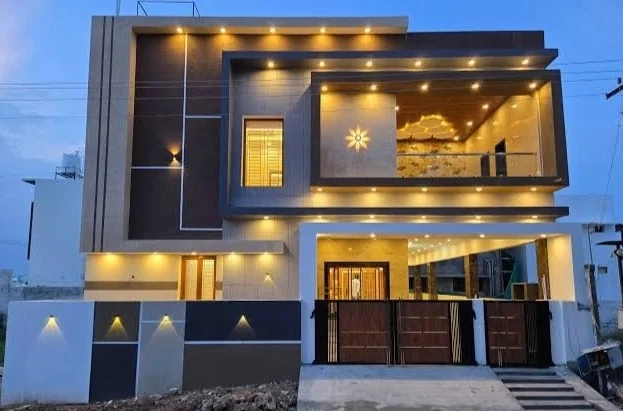
In 2026, Lahore’s architectural landscape is defined by a sophisticated blend of heritage and future-ready innovation. Homeowners are moving away from the heavy, ornate styles of the past toward “Modern Fusion” and sustainable luxury. The focus has shifted to climate-responsive layouts that combat rising temperatures while integrating high-tech automation. Whether it’s a 5-marla smart home or a sprawling DHA villa, the priority is creating functional, energy-efficient sanctuaries.
Energy Efficiency
With rising utility costs, energy efficiency is now a core requirement for Lahore renovations. 2026 trends prioritize high-performance solar power integration and passive cooling techniques to reduce reliance on the grid. Popular upgrades include installing double-glazed UPVC windows for thermal insulation and using reflective roofing materials. These sustainable choices significantly lower cooling loads during intense summer heat, ensuring long-term cost savings.
Biophilic Design
Biophilic design is transforming Lahore’s urban interiors into living ecosystems that promote wellness. This trend replaces standard potted plants with immersive features like floor-to-ceiling green walls, internal courtyards, and indoor water features that naturally cool the air. By maximizing natural light through skylights and using organic materials like stone and reclaimed wood, homeowners are reconnecting with nature despite the city’s dense urban sprawl.
Minimalist Interiors
The “Warm Minimalism” of 2026 has replaced the cold, sterile aesthetics of previous years. Modern Lahori homes now favor open-plan layouts that remove unnecessary partitions to enhance airflow and spatial flow. Using a palette of soft neutrals—sandy beiges, muted greys, and off-whites—minimalism focuses on “less is more.” Hidden storage solutions and multi-functional furniture keep spaces clutter-free, emphasizing quality craftsmanship over excessive ornamentation.
Seasonal Planning: The “Lahore Window”
Timing your renovation correctly in Lahore is the difference between a seamless project and a budgeting nightmare. The city’s extreme weather cycles—from blistering summer heat to unpredictable monsoon rains—directly impact labor productivity and material drying times. Successful homeowners plan their structural work around the “Lahore Window,” a specific period where moderate temperatures ensure that concrete sets perfectly and external paint finishes remain flawless without weather-induced delays.
Avoid the Monsoons (July–August)
Scheduling major external work during July and August is a high-risk gamble. Heavy monsoon downpours can halt construction for days, lead to expensive water damage on exposed structures, and cause freshly plastered walls to bubble. Seepage issues are most common during this season, making it the worst time for roofing or foundation work. Instead, use this period for indoor planning.
The Best Time: October to March
The cooler months from October to March offer the ideal environment for any Lahore-based construction project. With mild temperatures and low humidity, laborers can work longer, more productive hours without the exhaustion of the summer sun. Materials like cement, grout, and paint cure more evenly in this weather, resulting in a higher-quality structural finish and much faster project completion.
Conclusion
Renovating in Lahore during 2026 requires balancing modern aesthetics with climate-smart efficiency. By navigating local building laws and timing your project with the seasonal “Lahore Window,” you can avoid costly delays. Prioritize quality materials and professional oversight to transform your property into a high-value, sustainable sanctuary that stands the test of time.