

Building a home is likely the most significant investment you’ll ever make. In Pakistan’s rapidly evolving real estate landscape—from the premium blocks of DHA to the emerging sectors of Bahria Town—the difference between a dream home and a construction nightmare often comes down to one person: your architectural contractor.
An architectural contractor isn’t just a builder; they are the bridge between a 2D design and a 3D reality. Here is a comprehensive guide on how to choose the best partner for your residential project.
Look Beyond the Portfolio
A stunning gallery shows the final result, but it doesn’t reveal the process. To find a truly reliable architectural contractor, investigate their project management style and site safety standards. Ask for client testimonials to understand how they handle budget fluctuations and unexpected delays. A beautiful photo proves they have taste, but a conversation with a past client proves they have integrity, transparency, and the technical skill to deliver on their promises.
Structure vs. Finish
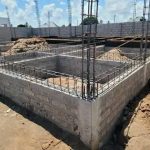
A house is only as good as what lies beneath the surface. While premium tiles and modern paint catch the eye, the “Grey Structure” defines the building’s lifespan. Prioritize contractors who emphasize high-grade steel, proper concrete curing, and damp-proofing. High-end finishes can be updated later, but a compromised foundation or poor plumbing layout is a permanent, costly mistake to fix.
Specialization
Every architectural style requires a specific technical approach. A contractor expert in ultra-modern, glass-heavy designs might struggle with the intricate masonry of a classical Spanish villa. Look for a team whose portfolio consistently reflects the aesthetic and functional requirements of your specific project. Choosing a specialist ensures they already have the right craftsmen and material suppliers for your preferred architectural language.
Verify Technical Expertise & Licensing
Never compromise on legal and technical benchmarks. Ensure your contractor is registered with the Pakistan Engineering Council (PEC) to guarantee they follow national safety codes. Beyond paperwork, verify their technical proficiency by asking about their experience with soil testing, seismic-resistant designs, and MEP coordination. A licensed professional provides more than just a build; they offer legal accountability and the peace of mind that your home is structurally sound.
Integrated Services
The most efficient projects utilize a “Turnkey” approach where design and construction happen under one roof. Integrated services eliminate the friction between architects and builders, reducing costly communication errors. By hiring a firm that manages everything from initial blueprints to interior finishing, you ensure a cohesive vision, a streamlined timeline, and a single point of accountability for your entire investment.
Material Sourcing
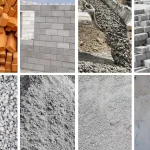
Quality starts with the raw materials. A reputable contractor is transparent about their supply chain, utilizing Grade 60 steel, premium brand cement, and high-quality electrical wiring. They should provide a detailed Bill of Quantities (BOQ) that specifies brands and grades. Proper sourcing prevents future maintenance headaches like wall dampness or structural cracks, ensuring your home remains a high-value asset for decades.

Communication and Project Management
Construction is notorious for delays. To avoid this, evaluate their management style:
The Timeline
Time is money in construction, and a professional contractor respects both. Ensure your partner provides a comprehensive project schedule, such as a Gantt chart, detailing every phase from excavation to finishing. A clear roadmap allows you to track progress, manage your budget, and plan your move-in date with confidence, preventing the common trap of indefinite and costly delays.
Daily Updates
Communication is the foundation of a stress-free build. Modern contractors utilize digital tools, such as dedicated WhatsApp groups or project management apps, to provide real-time updates. By receiving daily photo logs and progress reports, you can monitor site activity from anywhere. This transparency ensures that any potential issues are identified and resolved immediately, keeping the project on track.
Transparency in Costing
A trustworthy contractor provides a comprehensive Bill of Quantities (BOQ) rather than vague, lump-sum estimates. This document should detail the exact cost of labor, materials, and overheads for every stage of the project. Transparent costing allows you to compare quotes accurately and ensures that every rupee you invest is accounted for. Clear financial documentation is the hallmark of a professional firm that values client trust and long-term integrity.
The “Hidden Costs” Trap
Many low-cost bids omit essential items like boundary walls, landscaping, or high-end electrical fittings to appear more attractive. Always clarify exactly what is excluded from the initial quote. A detailed contract should outline potential variables, such as soil condition surprises or material price hikes, ensuring you aren’t blindsided by significant “extra” charges once construction is already underway.
Payment Milestones
Avoid the risk of paying large sums upfront. Instead, structure a payment plan tied to physical progress, such as reaching the plinth level, roof casting, or plastering. Linking payments to specific milestones ensures the contractor maintains momentum and provides you with financial leverage. This fair exchange protects your capital while ensuring the site remains active and well-funded throughout the project lifecycle.
Check Local References
Don’t just take their word for it. Ask for the contact information of three previous clients. When you call them, ask:
- Did the contractor stay within the agreed budget?
- How did they handle mistakes or changes in design?
- How has the house held up after two years of monsoon seasons?
Red Flags to Watch Out For
Identifying warning signs early can save you from a construction disaster. Be wary of contractors who lack local references, push for large upfront payments, or seem evasive about technical questions. Trusting your instincts on these red flags ensures a smoother partnership.
Unrealistically Low Bids
If a quote seems too good to be true, it likely is. Bids significantly below market rates often signal that a contractor plan to use inferior materials, skip essential safety steps, or hit you with massive “unexpected” costs later. Investing in a fair, realistic quote ensures structural integrity and avoids the nightmare of a stalled or crumbling project.
Lack of Written Contract
A verbal agreement is never enough when your life savings are on the line. Professional contractors always insist on a comprehensive written contract that outlines the scope of work, timelines, and material specifications. Without a signed document, you have no legal protection or accountability if the project faces delays, poor craftsmanship, or sudden changes in the agreed pricing.
Avoidance of Site Visits
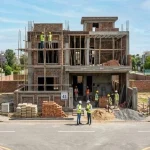
A transparent contractor will proudly show you their work in progress. If a firm makes excuses to avoid taking you to an active construction site, they may be hiding poor safety standards, disorganized teams, or a lack of ongoing projects. Visiting a live site is the best way to verify their “Grey Structure” quality and overall professional conduct.
Final Thoughts
Choosing the right architectural contractor is a balance of technical expertise, financial transparency, and mutual trust. Your home is a lifelong sanctuary, and its durability depends entirely on the partner you choose today. By prioritizing quality over shortcuts and maintaining clear communication, you ensure a seamless construction journey. Don’t leave your investment to chance—start with a professional consultation to transform your architectural vision into a structurally sound reality.