


Embarking on a home renovation is exciting, but the fear of spiraling costs and endless delays can make it feel overwhelming. The good news? With smart planning, a clear budget, and a little creativity, you can transform your space without losing your sanity or draining your bank account. This detailed guide will walk you through the essential steps to achieve that dream makeover, stress-free and on budget.
Phase 1: The Blueprint for Success (Budget & Goals)
A stress-free renovation starts long before the first wall is knocked down. It begins with meticulous planning.
Define Your Non-Negotiable Goals
This initial step ensures your renovation focuses money and effort on the things that matter most, preventing scope creep and unnecessary expenditures. By formally clarifying your ultimate purpose, you establish a clear metric for success, whether it’s maximizing property value, fixing critical issues, or simply improving daily quality of life. Without this foundation, the project can quickly become a scattered collection of expensive ideas, jeopardizing your budget and increasing stress from indecision.
Identify Must-Haves vs. Nice-to-Haves
The core of setting goals is creating two distinct lists: Must-Haves and Nice-to-Haves. Your Must-Haves include anything essential for safety, functionality, or structural integrity, such as replacing a leaking roof or updating old electrical wiring. These items are your priority spending area and must be fully funded first. Nice-to-Haves, like a waterfall showerhead or custom cabinets, represent optional upgrades that can be cut or downgraded if budget concerns arise, keeping the renovation scope flexible.
Determine the Ultimate Purpose (ROI vs. Lifestyle)
Clarifying the end-game of the renovation is critical for making smart financial decisions. If your goal is maximizing Return on Investment (ROI) for a quick sale, focus resources on high-impact areas like the kitchen and curb appeal, often using mid-range materials. Conversely, if the purpose is to improve your lifestyle and enjoyment for years to come, you may justify investing more in highly durable or personalized features that specifically cater to your family’s unique needs and preferences.
Prevent “Scope Creep” and Indecision
Scope creep occurs when new ideas and expensive upgrades are added after the budget is set, easily derailing the project. By setting your non-negotiable goals upfront, you gain a powerful tool to resist these tempting add-ons. You can simply ask: “Does this new expense serve one of my original Must-Have goals?” If the answer is no, it’s a strong signal to put the item on a “Future Projects” list, thus protecting your current timeline and financial plan.
Phase 2: Smart Savings Strategies
This phase shifts focus from theoretical planning to concrete, cost-saving action during the renovation process. Smart savings are achieved by strategically prioritizing lower-cost labor over expensive material upgrades and by minimizing structural changes that require professional tradespeople. By adopting a mindset of creative substitution and focused spending, homeowners can dramatically reduce their total project costs without compromising the overall aesthetic or quality of the finished space.
Prioritize Function Over Structural Relocation
The most significant expense in any home renovation is the cost of moving core structural components, such as load-bearing walls, electrical lines, or existing plumbing stacks. To save money, commit to working within your home’s existing footprint. For instance, instead of relocating a bathroom vanity or kitchen sink, which demands expensive plumbing and flooring changes, focus your budget on upgrading the visual elements like fixtures, cabinetry fronts, and new countertops in their current locations. This reduces high-cost specialized labor.
Embrace Budget-Friendly Material Alternatives
Achieving a high-end look on a budget requires being clever with material choices and leveraging the power of modern alternatives. Instead of costly natural materials like quartz slabs or hardwood flooring, look to options like high-quality Luxury Vinyl Plank (LVP), porcelain tile, or beautiful laminate countertops. These alternatives often offer excellent durability and convincingly mimic the look of expensive finishes at a fraction of the price. Smart material sourcing allows you to allocate more of your budget to essential labor or contingency funds.
Leverage Strategic DIY Efforts to Reduce Labor Costs
Labor is one of the single largest renovation expenditures, often accounting for nearly half the total cost. Homeowners can realize substantial savings by confidently tackling low-risk, cosmetic tasks themselves. These include painting, demolition (if simple and non-structural), installing easy flooring like LVP, or assembling flat-pack cabinets. However, it is crucial to hire licensed professionals for all specialized trades, such as electrical, plumbing, or major structural work, ensuring safety and compliance with local building codes.
Phase 3: Navigating the Project (Contractors & Timeline)
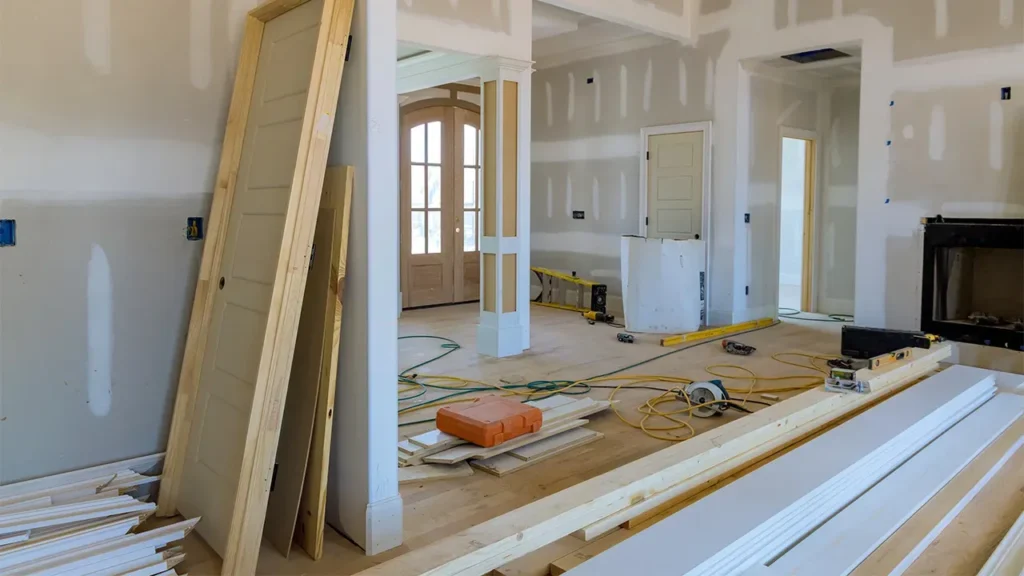
This phase focuses on the successful execution of your renovation plan, which hinges on two critical elements: selecting reliable partners and managing the schedule. Stress is significantly reduced by vetting professionals thoroughly and establishing a clear timeline before work commences. An organized approach minimizes costly delays caused by miscommunication or poor coordination, ensuring the project remains focused on the original budget and moves smoothly from demolition to the final inspection.
Vetting and Securing the Right Contractor
Finding the right general contractor is perhaps the most important decision for a stress-free outcome, often outweighing minor material cost differences. You should obtain at least three detailed quotes and not simply choose the lowest bid. Thoroughly vet references, confirm their necessary licensing and insurance, and review their past work quality on projects similar to yours. A comprehensive, legally binding contract must clearly define the scope of work, all payment milestones, and a realistic completion date, protecting both parties.
Solidifying the Project Timeline and Logistics
A realistic and well-defined timeline helps manage expectations and prevent unnecessary project slippage. Work with your contractor to establish a detailed schedule that breaks the project into logical phases, from demolition and rough-ins to final finishes. Crucially, factor in potential delays, such as unexpected site issues or long lead times for specialized materials. Communicate all material delivery dates to your team, ensuring that items are ready on-site when needed to maintain momentum and keep labor costs efficient.
Mastering Clear and Consistent Communication
Effective communication is the lubricant that keeps a renovation running smoothly. Establish a clear protocol with your contractor regarding the frequency and method of updates, ensuring official changes or major decisions are always confirmed in writing (email is best). Indecision is a major cause of delays, so you must commit to making timely decisions regarding fixtures and finishes as soon as questions arise. Maintaining a respectful and collaborative relationship fosters a positive environment for quickly resolving inevitable on-site challenges.
Save Big on Materials and Finishes
High-end looks can often be achieved with budget-friendly alternatives.
| Area of Renovation | High-Cost Option | Budget-Friendly Alternative |
| Kitchen Countertops | Marble or Quartz Slab | Laminate, Butcher Block, or Concrete |
| Flooring | Exotic Hardwoods | High-Quality Vinyl Plank (LVP), Laminate, or simple Ceramic Tile |
| Cabinetry | Custom-Built Cabinets | Refacing existing cabinets, or IKEA/RTA (Ready-to-Assemble) units |
| Fixtures | Designer Brand Faucets | Off-brand or direct-to-consumer options that mimic the style |
| Tiling | Intricate Patterns, Imported Tile | Simple Subway Tile or a classic rectangular format (use a colorful grout for pop!) |
Embrace DIY (Where Appropriate)
Strategically utilizing your own skills for parts of the renovation is one of the most effective ways to manage costs and achieve a budget-friendly project. Labor fees represent a significant percentage of the total budget, and tackling simple, non-specialized tasks yourself directly converts your time into savings. However, the key to a stress-free experience is knowing your limitations and only attempting jobs you can safely and competently complete. This balanced approach protects your timeline and prevents costly mistakes that professional repair would negate.
Identify Safe and Simple DIY Tasks
To maximize savings, focus your do-it-yourself efforts on tasks that don’t require licenses, complex tools, or specialized knowledge. Excellent beginner-friendly projects include all prep and cosmetic work, such as painting rooms, demolition of non-load-bearing elements, simple landscaping, and assembling new furniture or shelving units. These efforts immediately reduce the hours a highly paid professional must spend on-site, providing a significant and direct reduction in your overall labor expenditure while adding sweat equity to your home.
Know When to Absolutely Hire a Professional
While DIY saves money, attempting specialized, high-risk work can lead to dangerous errors, code violations, and expensive rework. You must always hire licensed and insured professionals for tasks involving structural changes (like moving walls), electrical work (wiring, panel upgrades), plumbing (pipe relocation, water heaters), and gas lines. Budgeting for these skilled trades ensures the safety and long-term compliance of your home, safeguarding your investment and preventing potentially catastrophic problems down the road.
Source and Refinish Existing Items
Another strong area for DIY savings involves maximizing the utility of existing elements rather than purchasing new. Instead of buying all-new cabinets, consider refacing or painting your current cabinet boxes and just replacing the hardware or doors for a fresh look. Additionally, sourcing items yourself from architectural salvage yards, thrift stores, or clearance sections allows you to find unique, high-quality pieces at a fraction of retail cost, giving your renovation character while adhering strictly to your budget.
Conclusion
A stress-free, on-budget renovation is absolutely possible when you treat planning as seriously as the construction itself. Be prepared for the unexpected with your contingency fund, be ruthless with your budget by choosing smart alternatives, and maintain open, clear communication with your team. You’re not just renovating a house; you’re creating a home. By staying organized and flexible, you can enjoy the process and look forward to celebrating in your beautifully transformed space!