

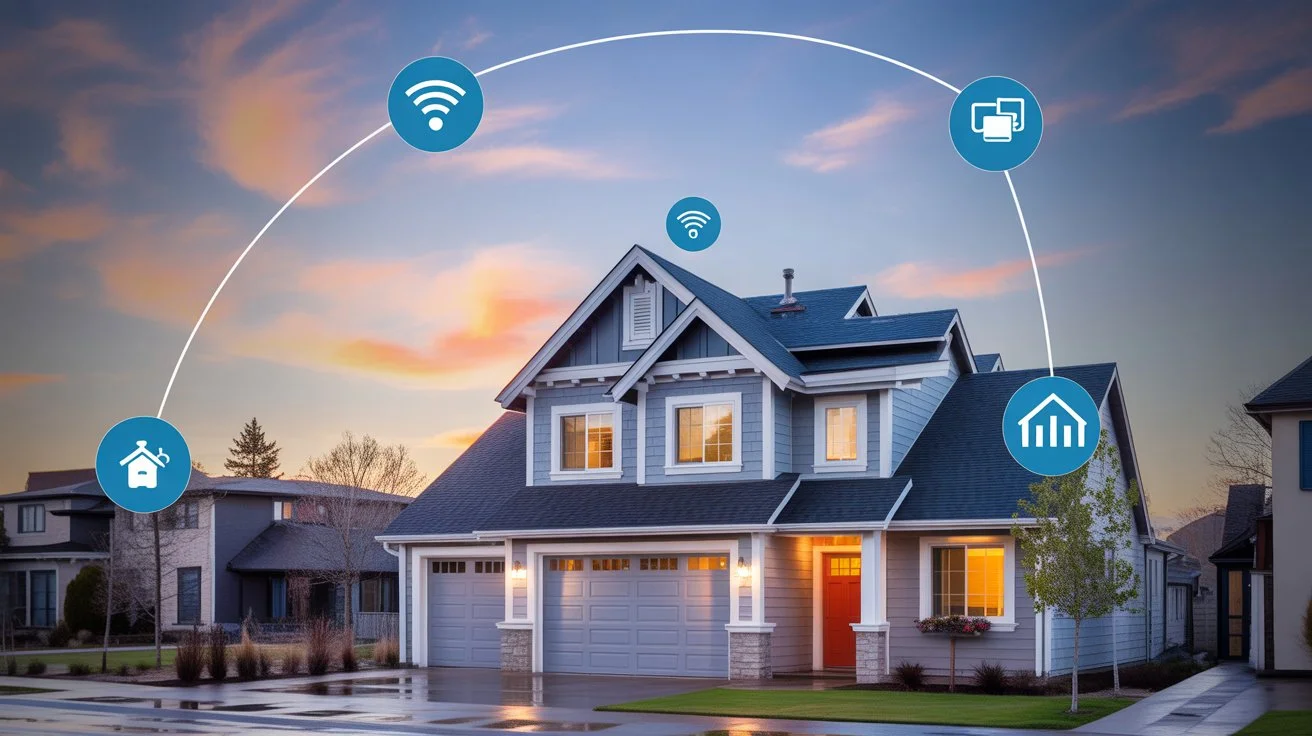
Picture this: You are stuck in evening traffic on Main Boulevard in Lahore or Karachi, dreading the soaring electricity bill waiting for you at home, wondering if you accidentally left the AC running in the drawing-room.
Ten years ago, your only option would have been to stress about it until you walked through your front door. Today, a quick tap on your smartphone lets you check your home’s status, turn off unneeded appliances, and even set your inverter AC to cool your bedroom ten minutes before you pull into the driveway.
No longer confined to sci-fi movies, smart home technology is quietly revolutionizing residential living across Pakistan. Driven by a booming real estate market, widespread mobile internet penetration, and a critical need to manage utility costs, smart homes are transforming from a luxury niche into the ultimate standard of modern Pakistani housing.
The Perfect Storm: What’s Driving Smart Homes in Pakistan?
The rapid adoption of home automation across urban centers like Islamabad, Lahore, Karachi, and Faisalabad isn’t happening by accident. Several distinct socio-economic and technological shifts are fueling this momentum:
1. The Battle Against Rising Electricity Costs
Ask any Pakistani homeowner what keeps them up at night, and the answer will likely be utility bills. With fluctuating energy tariffs, managing power consumption has become a matter of financial survival.
Smart Energy Management
Modern automation systems allow households to track real-time electricity usage, schedule high-load appliances, and optimize air conditioning.
Solar Integration
As millions of Pakistani households pivot toward solar power systems, smart controllers help coordinate energy storage and usage, ensuring maximum efficiency when switching between grid power, solar, and UPS/generators.
2. Heightened Security and Peace of Mind
Security is a top priority for families living in both independent villas and high-rise gated communities. Traditional security setups are often reactive—you only know something happened after the fact.
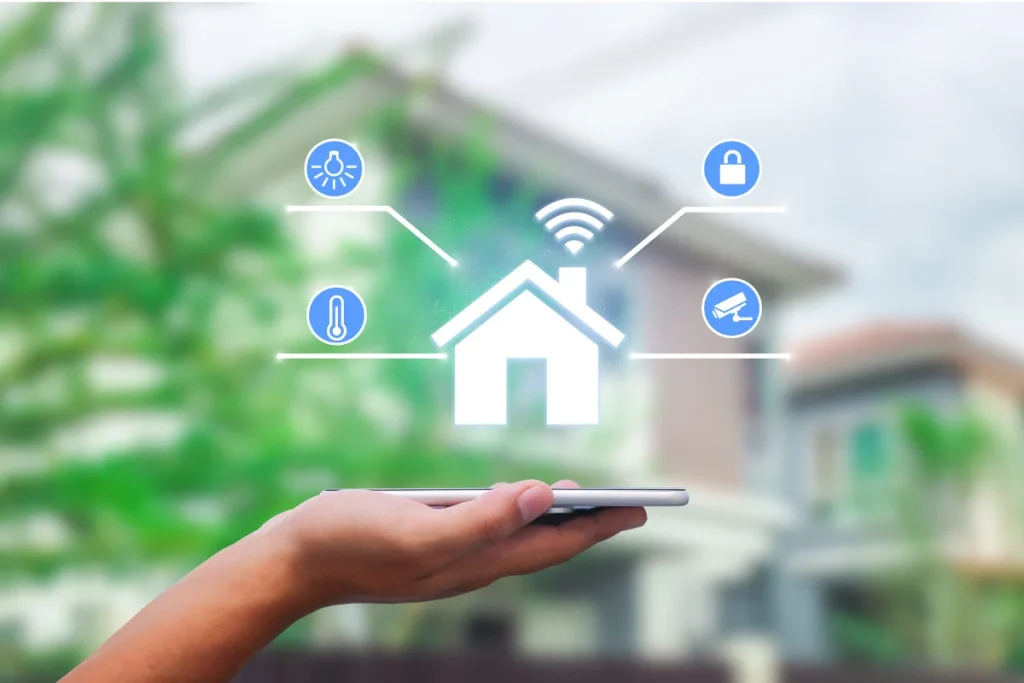
Smart home security systems offer live smartphone feeds, smart video doorbells, motion-activated floodlights, and biometric digital door locks.
Whether you are at work or visiting family abroad, you can monitor your property perimeter, check who is at the gate, and receive instant mobile alerts for unusual activities.
3. The Boom in Modern Real Estate & Gated Communities
Pakistan’s real estate sector has undergone a massive transformation. Modern housing societies and luxury high-rise apartment complexes are setting a new standard for urban living. Forward-thinking developers are increasingly baking smart infrastructure directly into master plans, offering pre-installed fiber optics, automated gates, and integrated lighting controls to attract tech-savvy buyers.
Key Features Defining the Pakistani Smart Home
When homeowners or builders in Pakistan invest in home automation, they typically look at a few core pillars that solve everyday local challenges:
Smart Lighting & Climate Control
Remote-controlled smart switches and intelligent thermostats let you adjust ambiance and cooling preferences instantly, cutting down waste when rooms are empty.
Gas, Smoke, and Water Leak Alerts
Given local safety concerns regarding gas heaters and kitchen lines, smart sensors can immediately detect gas leaks, smoke, or water pipe issues and ping your phone before a minor hazard becomes a disaster.
Voice and App Integration
With mobile usage at an all-time high, controlling everything from motorized curtains to ceiling fans through a unified smartphone app—or via voice assistants—has made daily convenience effortless.
Overcoming Local Hurdles: The Shift to Retrofit Solutions
While luxury villas in upscale neighborhoods are often built from scratch with complex, hardwired automation systems, the vast majority of Pakistani urban housing relies on retrofit solutions.
Homeowners do not need to tear down walls or completely rewire their houses to experience a smart upgrade. Wireless technologies like Wi-Fi and Zigbee allow people to swap out standard wall switches for smart glass-panel touch switches or plug in smart relays. This modular, room-by-room approach makes upgrading to a smart lifestyle affordable and accessible for the expanding middle class.
The Bottom Line: Living Smarter, Not Harder
Smart homes in Pakistan are no longer just about futuristic bragging rights or luxury gimmicks. They are practical tools addressing very real local pain points: slashing inflated electricity bills, safeguarding families, and bringing unmatched convenience to fast-paced urban lifestyles.
As internet infrastructure expands and smart devices become more budget-friendly, the question for Pakistani homeowners is no longer if they will adopt home automation, but when. The future of Pakistani real estate is intelligent, connected, and energy-efficient—and that future is already arriving at our doorsteps.