
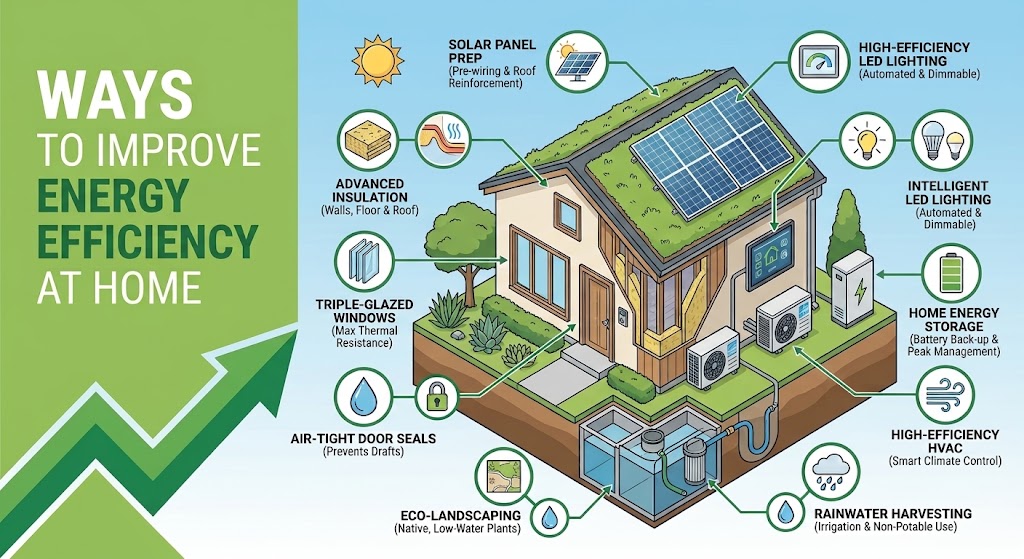
With rising utility costs and a growing focus on sustainable living, finding ways to lower your household energy consumption has never been more important. Improving your home’s energy efficiency doesn’t necessarily mean you have to invest in a costly solar panel installation or a complete structural overhaul right away.
Often, a mix of smart everyday habits, simple maintenance routines, and targeted upgrades can dramatically slash your monthly electricity bills.
Here are 10 practical, high-impact ways to improve energy efficiency at home, keeping your living spaces comfortable while saving you money.
- Upgrade to Smart Thermostats
Heating and cooling typically account for the lion’s share of a home’s energy consumption. Traditional manual thermostats often lead to wasted energy by heating or cooling an empty house while you are at work or asleep. Upgrading your climate control system is a game-changer for modern households looking to cut waste without sacrificing daily comfort. By integrating advanced technology into your routine, you take the guesswork out of managing your home’s temperature, ensuring energy is only used when and where it is actually needed.
The Fix
Install a smart thermostat in your primary living area. These advanced devices learn your daily schedule over time, automatically adjust temperatures when you are away or asleep, and can be easily controlled remotely via your smartphone app. You can also set custom geofencing boundaries so the system turns down automatically the moment the last family member leaves the house for the day.
The Benefit
Optimizing your HVAC schedule with a smart device can reduce your heating and cooling energy usage by up to 10-15% annually. This translates directly into substantial savings on your monthly utility statements while significantly extending the overall lifespan of your heating and cooling equipment by reducing unnecessary run times.
- Swap Out Old Bulbs for LEDs
Lighting a home efficiently is one of the easiest fixes you can implement today. If you are still using incandescent or traditional halogen lightbulbs, you are literally throwing money away as heat. Incandescent bulbs waste roughly 90 percent of their energy generating heat rather than light. Transitioning to modern, energy-conscious alternatives is a simple afternoon task that yields immediate, noticeable improvements across your entire household electricity profile.
The Fix
Replace your most frequently used lightbulbs throughout the house with high-quality Energy Star-certified LED bulbs. Make it a point to target rooms where lights stay on for hours at a time, such as the kitchen, living room, and outdoor porch fixtures, ensuring maximum overall impact from your replacement efforts.
The Benefit
LEDs use up to 90% less energy than standard incandescent bulbs and last up to 15 times longer. This massive reduction in power draw cuts your lighting electricity costs dramatically, meaning fewer trips to the hardware store for replacements and a much lighter footprint on the local power grid.
- Seal Air Leaks and Improve Insulation
Drafts around windows, doors, and your attic can let your hard-earned heat escape in the winter and allow cool air to leak out in the summer. When your building envelope is compromised, your HVAC system must fight a constant battle against outdoor weather conditions. Addressing these structural vulnerabilities creates a tight, weather-resistant barrier that keeps your indoor climate stable, comfortable, and independent of external temperature swings.
The Fix
Inspect your entire home thoroughly for hidden air gaps and drafty zones. Use fresh weatherstripping on all exterior doors and apply durable exterior caulk around window frames. Check your attic insulation levels carefully; adding professional-grade insulation where it’s sparse stops heat from rising straight out of your living space.
The Benefit
Effective air sealing and comprehensive insulation can reduce your annual heating and cooling costs by up to 10%. Furthermore, it eliminates uncomfortable indoor drafts and cold spots, creating a much more consistent, pleasant ambient temperature throughout every single room of your house.
- Combat “Vampire Power” with Smart Power Strips
Did you know that electronics continue to draw electricity even when turned off or left in standby mode? This hidden drain—known as phantom load or vampire energy—accounts for a surprising percentage of your monthly electricity bill. Many modern devices feature digital clocks, remote sensors, and internal transformers that constantly pull current from your wall outlets, silently draining resources while you sleep or away from home.
The Fix
Plug your complex home entertainment systems, desktop computers, and gaming consoles into specialized smart power strips. These smart strips automatically detect when a primary device is shut down and cut off power to all connected peripherals. For phone chargers and smaller household gadgets, simply unplug them from the wall when not actively in use.
The Benefit
Eliminating phantom loads can save the average household over $100 a year with virtually zero effort on your part. It protects your expensive sensitive electronics from unexpected power surges while quietly optimizing your baseline energy consumption behind the scenes.
- Optimize Your Refrigerator and Large Appliances
Your refrigerator runs 24 hours a day, 7 days a week, making it one of the most energy-intensive appliances in your entire home. Alongside laundry and dishwashing machines, heavy appliances account for a major portion of domestic power usage. Implementing smart operating habits and keeping these machines properly calibrated ensures they operate at peak performance levels without drawing excess electricity from your utility provider.
The Fix
Keep your fridge set to the manufacturer’s recommended temperature, around 37 to 40 degrees Fahrenheit for the main compartment and 0 degrees for the freezer. Always ensure the rubber door seals close tightly. Furthermore, when running your dishwasher or washing machine, always wait for a full load and choose eco or cold-water wash cycles.
The Benefit
Washing clothes in cold water alone can cut a single laundry load’s energy use by up to 90%, preserving both your delicate fabrics and your monthly utility budget. Proper refrigerator maintenance also prevents food spoilage and minimizes compressor wear over time.
- Maintain Your HVAC System Regularly
An overworked heating and cooling system uses significantly more electricity than a well-maintained one. Over time, dust, pet dander, and general debris accumulate within your ductwork and air filters, choking airflow and forcing mechanical components to strain. Committing to a routine maintenance schedule ensures optimal mechanical performance, preventing sudden system failures during peak winter or summer weather extremes.
The Fix
Check your HVAC air filters every 30 to 90 days without fail. A clogged, dirty filter restricts airflow, forcing the entire system to work harder to push air. Schedule a professional preventative tune-up for your furnace and air conditioning unit at least once a year with a licensed technician.
The Benefit
Clean equipment runs at peak efficiency, lowers your risk of sudden, expensive emergency breakdowns, and consumes far less power. This proactive care directly translates to lower monthly energy bills and a significantly extended lifespan for your costly HVAC investment.
- Leverage Natural Light and Passive Solar Heating
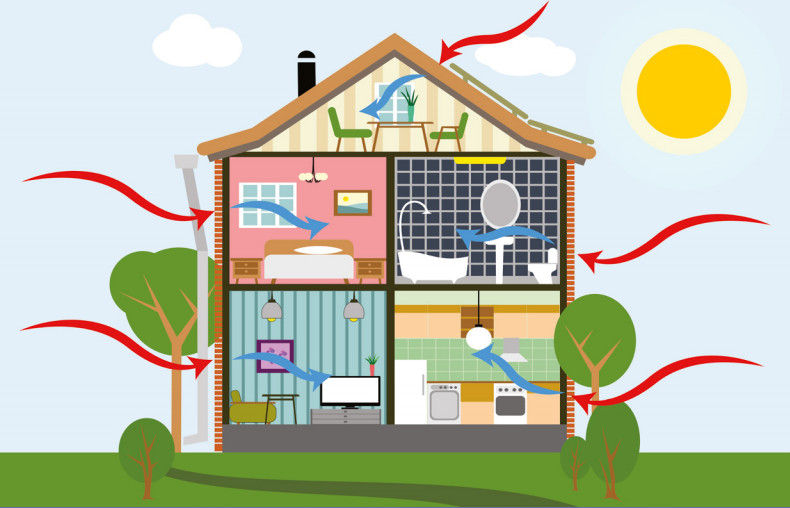
Mother Nature offers free heating and lighting if you know how to harness it properly. Too many homeowners rely completely on artificial lighting and mechanical climate control even when natural environmental conditions can do the job for free. Incorporating passive solar strategies into your daily routine harnesses external elements to regulate indoor temperatures naturally throughout the changing seasons.
The Fix
During cold winter days, open all south- and west-facing curtains to let bright sunlight naturally warm your rooms. Conversely, in the peak heat of summer, close blinds and heavy drapes during the hottest daylight hours to effectively block out unwanted solar heat gain.
The Benefit
This intelligent passive management reduces the heavy daily workload on your furnace and air conditioner. By letting nature handle a portion of your climate control, you enjoy a brighter, more connected living space while saving money on electricity.
- Put Ceiling Fans to Work Year-Round
Many people mistakenly think ceiling fans are only useful for hot summer days, but they are actually powerful climate-control tools for all four seasons. Fans do not actually change the ambient room temperature; instead, they create wind-chill effects or redistribute stratified air. Mastering your fan settings lets you manipulate indoor airflow patterns to suit your comfort needs year-round.
The Fix
In the summer, run your ceiling fans counterclockwise to create a cooling breeze effect that lets you turn up your thermostat a couple of degrees. In the winter, run them on low speed clockwise to push trapped rising warm air back down into the living space.
The Benefit
Using your ceiling fans smartly allows you to adjust your thermostat settings without sacrificing personal comfort. This simple adjustment reduces the run time of your central HVAC unit, saving energy while maintaining a cozy atmosphere.
- Lower Your Water Heater Settings
Water heating is typically the second largest energy expense in an average home. Many traditional water heaters are set much higher than necessary by default, often arriving from the factory set at 140 degrees Fahrenheit. This excessive temperature is rarely required for daily household tasks and results in continuous energy loss as the massive tank tries to maintain unnecessary heat levels around the clock.
The Fix
Turn down your water heater thermostat down to 120 degrees Fahrenheit. This temperature is plenty hot for showers, dishwashing, and laundry needs, while effectively preventing accidental scalding risks and slowing down harmful mineral buildup inside the tank.
The Benefit
Lowering this setting prevents standby heat loss from the tank and noticeably cuts your water heating energy bills month after month. It also reduces wear on heating elements, helping your equipment last longer without requiring replacement.
- Track Your Energy Use with a Smart Meter
It is nearly impossible to fix an efficiency problem if you cannot measure it accurately. Without clear insights into your daily usage patterns, you are simply guessing where your electricity goes. Modern digital tracking tools empower homeowners to pinpoint exact areas of waste, transforming abstract utility bills into actionable data that drives smarter everyday choices.
The Fix
Utilize your utility provider’s online energy tracking portal, install a dedicated home energy monitoring system, or check your home’s smart meter data regularly. Track specific usage spikes to identify which household appliances or daily habits are driving up your costs.
The Benefit
Awareness directly changes behavior. Households that actively monitor and review their energy consumption typically reduce waste simply by understanding when and where they use power, leading to permanent savings and a greener lifestyle.