


In the world of construction, what you don’t see is often more critical than what you do. Behind every towering skyscraper or sturdy highway lies a foundation of verified data, laboratory analysis, and engineering expertise.
When builders skip rigorous lab testing, they aren’t just saving time—they are gambling with structural integrity and public safety. This blog explores how advanced lab testing acts as the ultimate safeguard against construction failures and why hiring certified engineers is non-negotiable for any serious project.
The Hidden Risks of Skipping Material Testing
Skipping material testing is a high-stakes gamble that threatens structural integrity and project budgets. Without verified data on concrete strength or soil stability, hidden vulnerabilities like foundation shifts and premature degradation often go unnoticed. These oversights lead to catastrophic failures, expensive legal liabilities, and compromised public safety. Investing in professional laboratory analysis ensures your project meets regulatory standards, providing the essential evidence-based foundation needed for long-term durability and peace of mind.
Critical Points of Failure
Identifying critical points of failure is essential for preventing structural disasters before they begin. Weaknesses often emerge at material interfaces, joints, or load-bearing intersections where stress is most concentrated. Without rigorous testing, these invisible flaws can escalate into systemic collapses. Certified engineers use advanced diagnostics to pinpoint these vulnerabilities, ensuring that every component—from the smallest bolt to the primary foundation—functions as a cohesive, resilient unit under pressure.
Foundation Shifts
Foundation shifts occur when the underlying soil fails to support the structure’s weight, often due to improper moisture levels or poor compaction. These movements lead to cracked walls, jammed doors, and severe structural misalignment. Professional soil analysis identifies expansive clays or unstable strata early, allowing engineers to design specialized footings that anchor the building securely and prevent costly long-term damage.
Concrete Weaknesses
Concrete may appear solid, but internal weaknesses like air voids, improper water-to-cement ratios, or chemical contamination can compromise its integrity. These hidden defects reduce compressive strength, making the structure susceptible to cracking and reinforcement corrosion. Laboratory testing, such as slump tests and cylinder breaks, ensures the mix meets design specifications, guaranteeing that the cured concrete can handle its intended operational loads safely.
Asphalt Degradation
Asphalt surfaces are prone to rapid degradation when the binder mix or sub-base is incorrectly calibrated for traffic and climate. This results in rutting, potholes, and alligator cracking, which significantly shorten the pavement’s lifespan. Lab analysis evaluates the mix’s resistance to temperature fluctuations and heavy loads, ensuring the asphalt remains flexible yet durable enough to withstand constant wear and environmental stress.
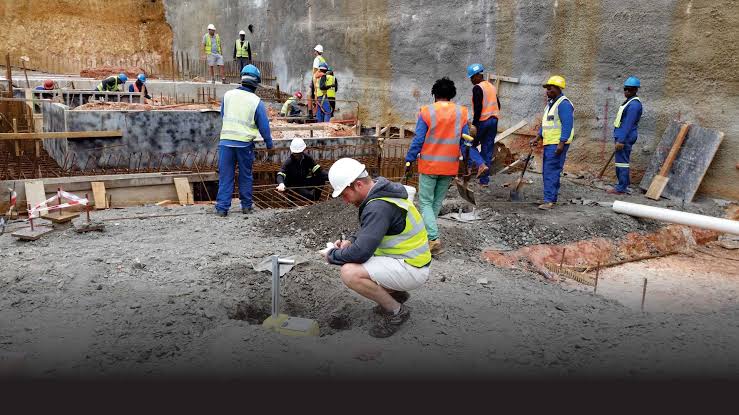
How Lab Testing Prevents Structural Disasters?
Lab testing serves as a proactive defense mechanism, identifying material deficiencies before they are integrated into a build. By simulating extreme stress, environmental wear, and load-bearing limits, laboratory analysis provides empirical proof of a structure’s viability. This data-driven approach allows engineers to rectify weaknesses in soil, steel, or concrete during the design phase, effectively neutralizing the risks of collapse, catastrophic shifting, and life-threatening failures before construction even begins.
Key Benefits of Lab Analysis
Lab analysis provides the empirical data necessary to eliminate guesswork in construction. By verifying material properties, engineers can ensure structural durability, optimize resource usage, and mitigate financial risks. This proactive approach identifies potential defects early, ensuring long-term project success and safety.
Safety and Stability
Structural safety begins in the lab, where materials are pushed to their limits to ensure they can withstand real-world stressors. Rigorous testing of load-bearing components prevents catastrophic collapses and foundation failures. By confirming that every element meets strict stability requirements, certified engineers protect both the physical investment and the lives of those who will inhabit the space.
Regulatory Compliance
Adhering to local and international building codes is a legal necessity that lab testing facilitates. Certified analysis ensures that materials like steel and concrete meet specific ASTM or ISO standards required for permits and insurance. Proper documentation of these tests shields project owners from legal liabilities and ensures the structure is officially recognized as safe for public or commercial use.
Environmental Due Diligence
Modern construction must account for its ecological footprint and the safety of the surrounding land. Lab testing identifies hazardous substances within materials and evaluates soil chemistry to prevent groundwater contamination. By conducting environmental assessments, engineers ensure the project is sustainable, complies with green building regulations, and remains safe for the ecosystem long after the construction phase is complete.
Essential Tests Every Project Needs
To guarantee quality, certified engineers follow a rigorous set of standardized tests. These are the industry “gold standards”:
| Material | Primary Test | Standard Body | Purpose |
| Concrete | Compressive Strength | ASTM C39 | Verifies the load-bearing capacity of cylinders. |
| Soil | Load-Bearing Analysis | ASTM D1557 | Determines if the ground can support the weight. |
| Steel | Tensile Analysis | ASTM E8 | Measures how much stress steel can handle before breaking. |
| Cement | Setting Time/Soundness | IS 4031 | Ensures the cement cures properly and stays stable. |
The Role of Certified Engineers in Quality Control
Certified engineers act as the technical backbone of any construction project, translating raw laboratory data into actionable safety measures. Their expertise ensures that material testing is performed according to strict international standards, preventing errors in sampling or interpretation. By overseeing the entire quality cycle, these professionals validate that every component meets rigorous engineering specifications, ultimately safeguarding the structural integrity of the project and protecting stakeholders from the catastrophic consequences of failure.
Quality Assurance (QA) vs. Quality Control (QC)
Quality Control focuses on the immediate inspection and testing of materials on-site to identify defects during the build. In contrast, Quality Assurance establishes the overarching processes and standards that prevent those defects from occurring in the first place. Together, they form a comprehensive framework that ensures every phase of construction aligns with the high-level technical requirements and safety benchmarks.
Risk Mitigation
Certified engineers utilize lab results to identify and neutralize potential hazards before they escalate into costly disasters. By analyzing soil stability and material fatigue, they can implement design adjustments that account for environmental stressors and heavy loads. This proactive strategy significantly reduces the likelihood of structural failure, legal disputes, and financial overruns, ensuring a project’s long-term viability and safety.
Expert Oversight
Expert oversight provides a critical layer of accountability, ensuring that contractors adhere strictly to the engineered blueprints. Professional engineers monitor real-time data from lab tests to verify that on-site execution matches the high standards set during the design phase. This continuous supervision eliminates shortcuts and technical negligence, providing project owners with the confidence that their investment is being built to last.
Conclusion
The integrity of a construction project is only as strong as the data behind it. By prioritizing laboratory testing and the expertise of certified engineers, you transform potential vulnerabilities into guaranteed structural resilience. Investing in rigorous material analysis isn’t just a regulatory formality—it is a commitment to safety, longevity, and financial security. Don’t leave your build to chance; ensure every foundation is backed by science and professional oversight.