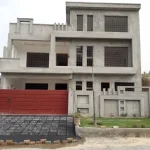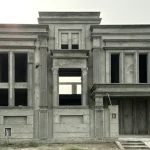

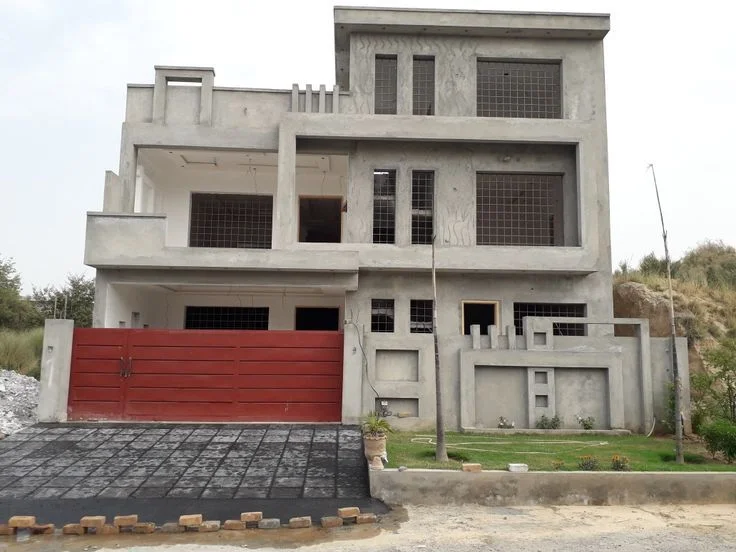
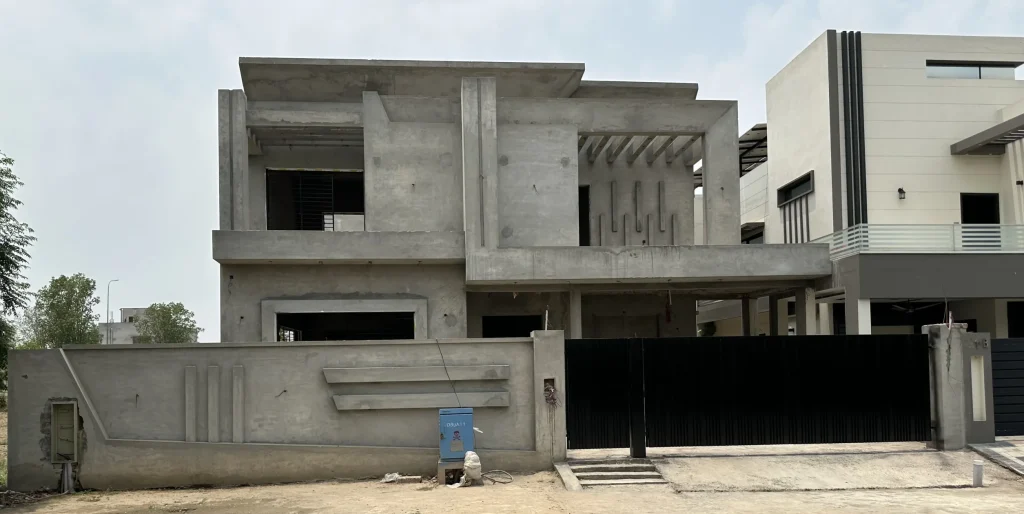
Building a home is likely the most significant investment you’ll ever make. In Pakistan, the “grey structure” phase—which includes everything from the foundation and walls to the roof and underground piping—is the backbone of your property. If the grey structure is weak, even the most expensive Italian marble or premium woodwork won’t save your house from cracks, dampness, or structural failure.
Finding a contractor who balances quality, cost, and timelines is a challenge. Here is a complete blog on how to hire a reliable grey structure contractor in Pakistan to ensure your project starts on solid ground.
Define Your Scope and Requirements
Before you interview anyone, you need a clear roadmap. Are you looking for a labor-only contract (where you provide materials) or a with-material contract?
Most homeowners in Pakistan prefer “with-material” contracts to avoid the daily hassle of visiting markets in areas like DHA, Bahria, or Gulberg. However, this requires a much higher level of trust. Ensure you have your vetted architectural and structural drawings ready; a professional contractor cannot give an accurate quote without them.
Verify Past Projects (The “Site Visit” Rule)
Never hire a contractor based on digital portfolios alone. High-quality photos can be misleading or staged. A physical site visit is the only way to verify a contractor’s true craftsmanship and operational standards. By visiting physical locations, you see the reality of their work beyond polished marketing. This step filters out subpar builders, ensuring you partner with a professional who consistently delivers structural integrity and adheres to safety protocols on-site.
Visit Active Sites
Observing a contractor during the construction phase reveals their professional discipline. Check if the site is organized or cluttered with debris. Look for material wastage, especially regarding expensive resources like steel and cement. An active site shows you how they manage labor, handle equipment, and maintain safety standards. If the workflow is chaotic, your project will likely face similar management issues and delays.
Inspect Completed Grey Structures
Examine finished projects to identify long-term structural quality. Look closely at the masonry for straight lines and check for signs of “Shor” or efflorescence on the walls. Inspect concrete slabs and columns for honeycombing or cracks. A well-executed grey structure should feel solid and exhibit precise finishing. Seeing a completed shell allows you to judge the durability and attention to detail firsthand.
Talk to Previous Clients
Direct feedback from past homeowners provides insights that no contract can cover. Ask about the contractor’s punctuality, honesty regarding material costs, and overall transparency. Did they stick to the agreed budget, or were there constant demands for “extra” funds? Understanding how a contractor handles challenges or disputes during the building process helps you gauge their reliability and professional integrity.
Evaluate Technical Knowledge and E-E-A-T
A reliable contractor should demonstrate expertise in local building codes and material science. During your initial meeting, ask technical questions to gauge their experience:
Steel Grade
In Pakistan, Grade 60 steel is the industry standard for high-rise and residential grey structures. Ensure your contractor uses branded, ribbed de-formed bars. High-quality steel provides the necessary tensile strength to withstand seismic activity and prevents structural sagging over time.
Concrete Mix
A standard 1:2:4 ratio for cement, sand, and crush is vital for residential slabs and columns. Proper mixing ensures the concrete reaches its maximum compressive strength. Always verify that the contractor uses clean, machine-mixed concrete to avoid air pockets and structural weaknesses.
Curing Process
Curing is a critical yet often neglected step. Concrete must be kept moist for at least 7 to 14 days after pouring to reach full strength. Proper hydration prevents shrinkage cracks and ensures the long-term durability of your home’s skeletal framework.
Waterproofing
Effective waterproofing starts at the foundation and continues to the roof. Applying bitumen coatings or specialized membranes prevents “Shor” and dampness from rising into your walls. Addressing this during the grey structure phase protects your future interior finishes from water damage.
Demand a Detailed Bill of Quantities (BOQ)
A vague “per square foot” rate is a major red flag. Prices in Pakistan fluctuate rapidly due to inflation. A professional contractor will provide a broken-down BOQ that specifies:
- Brand of Cement: (e.g., Bestway, Lucky, or Maple Leaf).
- Brand of Steel: (e.g., Amreli, Ittehad, or Mughal).
- Bricks Quality: Are they using “Awwal” (first-class) bricks or “Khangar”?
- Crush/Sand Source: Is the crush from Sargodha or Margalla? Is the sand from Lawrencepur or Ravi?
Standardize the Payment Schedule
In Pakistan, construction disputes often arise from payment “overruns.” A reliable contractor will agree to a milestone-based payment plan.
Typical milestones include:
- Foundation completion.
- Plinth level.
- Lintel level (Ground Floor).
- Roof Slab pouring.
- Completion of masonry and plaster.
Key Red Flags to Watch Out For
Identifying warning signs early saves you from future financial loss and structural failures. Pay close attention to a contractor’s communication style and pricing transparency. If something feels off during initial negotiations, it usually indicates deeper operational issues that will eventually surface.
Unrealistically Low Rates
If a quote seems too good to be true, it likely is. Low-ball estimates often lead to “hidden costs” later or, worse, the use of sub-standard materials like low-grade steel and adulterated cement. Saving money on the initial bid can result in massive repair bills once cracks and dampness appear due to compromised structural integrity.
No Written Contract
Vague verbal agreements are a recipe for disaster in the construction industry. A reliable contractor will always provide a detailed, signed contract outlining the scope of work, material specifications, and payment milestones. Without a written document, you have no legal recourse if the builder abandons the project, inflates prices unexpectedly, or fails to meet the agreed-upon quality standards.
Frequent Labor Turnaround
A revolving door of workers at a construction site is a major red flag. This often suggests the contractor is struggling with cash flow or failing to pay their team fairly and on time. Constant labor changes lead to inconsistent workmanship, lack of accountability, and significant project delays, as new workers must constantly play catch-up with the previous crew’s progress.
Final Thoughts
Hiring a grey structure contractor in Pakistan requires a blend of due diligence and technical verification. By focusing on material transparency and milestone-based payments, you protect your investment from the common pitfalls of the local construction industry.
The grey structure is the skeleton of your home—make sure it’s built by someone who understands that quality is non-negotiable.