
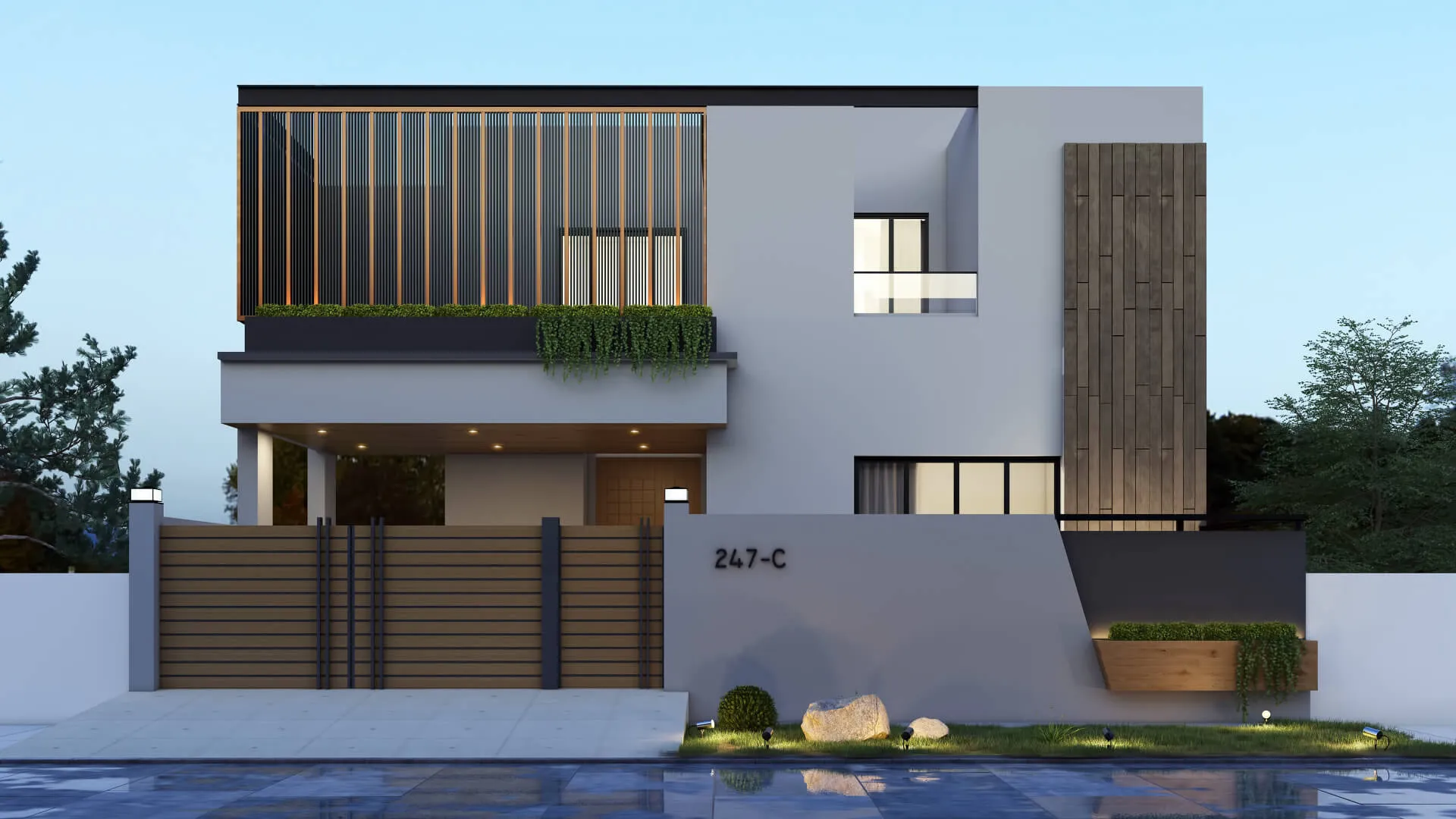
Pakistan’s architectural landscape is undergoing a dynamic transformation. As the country’s urban centers expand and a greater focus is placed on sustainability, technology, and cultural identity, the buildings of 2026 are set to look dramatically different.
The future of design in Pakistan is characterized by a sophisticated blend of global minimalism and deeply rooted local heritage. Here are the top architectural trends shaping both residential and commercial spaces for the coming year.
Trend 1: The Rise of Sustainable & Biophilic Design
Sustainability is rapidly transitioning from a high-end luxury feature to a fundamental requirement in Pakistani architecture for 2026. This shift is primarily fueled by the urgent need to address fluctuating energy costs, frequent utility shortages, and the increasing impact of climate change. Modern designs prioritize minimizing environmental impact while maximizing the building’s internal efficiency and occupant comfort, setting a new benchmark for responsible construction practices across the nation.
Energy Independence and Passive Cooling
Modern residential projects are strategically designed to achieve near energy independence through smart planning and technology integration. This includes mandatory installation of solar power infrastructure, from specialized roofing to battery storage systems, to mitigate the issues caused by local load-shedding and reduce reliance on conventional grids. Concurrently, architects are expertly using passive cooling techniques, like optimizing building orientation and utilizing high-thermal-mass materials, to naturally regulate indoor temperatures.
Biophilic Integration and Indoor Air Quality
Biophilic design, which aims to connect occupants with the natural environment, is now a cornerstone of contemporary spaces. Architects integrate features such as large indoor courtyards, vertical garden walls, and expansive windows that overlook lush green terraces, creating pockets of nature within the built environment. This focus is crucial for improving the residents’ mental well-being and enhances the building’s overall sustainability by significantly boosting indoor air quality and providing essential natural light.
Water Management and Green Building Materials
Commercial and large-scale residential developments are adopting advanced resource conservation strategies, particularly focusing on water management. Essential systems like greywater recycling, which treats and reuses water from sinks and showers, and efficient rainwater harvesting are being integrated into the building’s core infrastructure. Furthermore, there is a strong preference for using locally sourced, green building materials, such as recycled steel and low-carbon cement alternatives, to lower the project’s overall embodied carbon footprint.

Trend 2: Smart Living & Seamless Automation
The integration of the Internet of Things (IoT) is rapidly redefining modern living and working environments in Pakistan, moving far beyond simple smart security cameras. By 2026, new homes and commercial spaces are being designed with automation systems baked into the core infrastructure, ensuring unparalleled convenience, security, and efficiency right from the foundation. This shift leverages technology to create environments that are intuitive, adaptable, and highly responsive to the needs of the occupants.
Integrated Home Automation Systems
Modern Pakistani homes are now being equipped with fully integrated automation systems that centralize control over lighting, climate, entertainment, and advanced security. This allows homeowners to manage their entire dwelling through a single, intuitive mobile application or voice command interface. The primary objective is to enhance the ease of use and comfort while also providing crucial functionalities like remote access and diagnostics, making homes more secure and intelligently managed whether occupants are present or away.
AI-Powered Energy Optimization
A critical advancement in smart living is the implementation of AI-powered energy management systems (EMS). These systems do more than just monitor consumption; they learn usage patterns and automatically adjust settings for HVAC (heating, ventilation, and air conditioning) and lighting to maximize energy efficiency. By dynamically optimizing power distribution and integrating seamlessly with on-site solar solutions, these smart grids help significantly reduce utility bills and offer a crucial layer of energy resilience against fluctuating supply in urban centers.
Flexible and Smart Commercial Spaces
In the commercial sector, smart automation is focused on creating flexible, highly efficient workspaces. Office buildings are deploying Building Management Systems (BMS) to centrally control large-scale operations like air quality, occupant flow, and lighting based on real-time data and occupancy levels. This technology facilitates modular design and adaptive layouts, allowing spaces to be quickly reconfigured to suit various functions—from collaborative open-plan areas to soundproofed private meeting rooms—enhancing productivity and operational agility.
Trend 3: Fusion of Modern Minimalism and Heritage
The architectural landscape of 2026 in Pakistan is defined by a sophisticated and confident blending of two seemingly opposing styles: sleek modern minimalism and rich cultural heritage. This design philosophy aims to produce buildings that are highly functional and contemporary while simultaneously maintaining a strong sense of place and local identity. The result is a uniquely Pakistani aesthetic that honors traditional craftsmanship and forms, integrating them seamlessly into clean, elegant, and efficient structures designed for the future.
Clean Lines and Open Concept Planning
The underlying structure of this trend heavily favors modern minimalism, characterized by uncluttered surfaces, simple geometric forms, and flat or gently sloped roofs. Interiors feature expansive, open-concept floor plans that maximize spatial flow and natural light penetration throughout the day. These large, adaptable spaces not only enhance the building’s aesthetic appeal but also promote passive cooling and ventilation, aligning the minimalist form directly with sustainable functionality.
Reimagining Traditional Cultural Accents
Traditional Pakistani architectural elements are not discarded but are instead thoughtfully reimagined and applied with restraint. Intricate details like Mughal-inspired arches are stripped down to their pure geometric forms for entrances or doorways, providing historical resonance without becoming overly ornate. Similarly, detailed Jaali screens, made of modern materials like laser-cut metal or concrete, serve dual purposes: providing privacy and sun-shading while acting as a visual homage to ancient craftsmanship.
Indoor-Outdoor Flow and Material Warmth
A key component of this fusion is the creation of a seamless transition between the indoor and outdoor environments, reflecting the importance of communal and patio living in the local culture. This is achieved through the use of vast sliding glass doors and strategically placed courtyards that visually and physically connect the spaces. To temper the potential coldness of minimalism, rich, locally-sourced carved wood is selectively used on feature walls, railings, and ceilings, injecting warmth and texture into the otherwise neutral palettes.
Trend 4: Vertical and Mixed-Use Development
With Pakistan’s major cities experiencing rapid urbanization and land scarcity, the future of construction is firmly rooted in building upward and integrating functionalities. This trend is driven by the necessity to maximize limited urban space and create self-sustaining communities. Mixed-use development is becoming the standard, combining residential, commercial, and retail functions into single, multi-story complexes. This model significantly enhances urban efficiency, reduces commuting times, and creates vibrant, high-density hubs that serve as new economic and social centers.
Integrated Mixed-Use Hubs
New commercial projects are prioritizing the creation of integrated mixed-use hubs which are key to efficient urban living. These towering complexes typically combine corporate offices, luxury residential apartments, high-end retail outlets, and even hospitality services within a single structure. This integration offers unparalleled convenience for tenants and residents, allowing them to live, work, and shop in one location. This diversified utility also provides developers with multiple, robust income streams and increases the overall investment value of the property.
Vertical Cities and Modular Construction
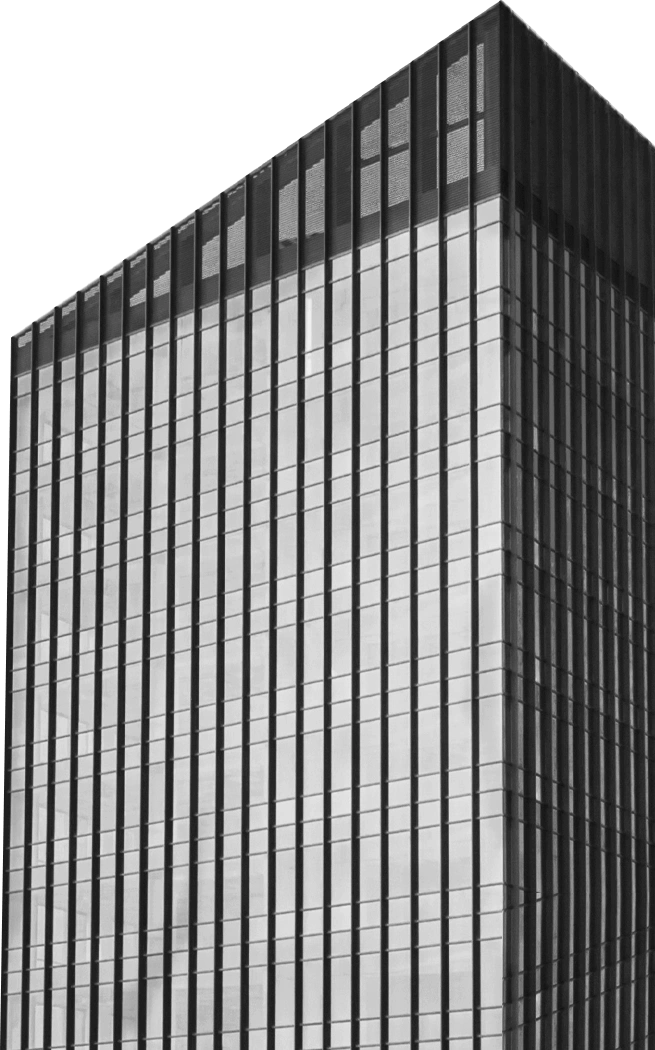
To cope with limited urban footprints, new commercial and residential developments are evolving into literal vertical cities. These structures are pushing architectural boundaries to maximize height and density, often requiring the adoption of advanced, innovative construction methods. Architects are increasingly utilizing modular and pre-engineered construction (PEC) techniques. These methods allow for faster, more predictable construction timelines, enhance structural resilience, and ensure a higher level of quality control compared to purely conventional on-site building practices, accelerating urban expansion.
Residential Adaptation and Rooftop Utilization
Residential construction, particularly in densely populated urban plots, is adapting by emphasizing vertical extension and maximizing every square foot of space. This trend incorporates clever design solutions like functional mezzanine floors and adaptable rooms that can transition between personal and professional uses, addressing the demand for home offices. Crucially, previously neglected rooftops are being transformed into active, functional areas for recreation, urban gardening, and social gatherings, effectively compensating for the lack of traditional ground-level outdoor space.
Final Thoughts
The architectural trends for 2026 in Pakistan reflect a mature, confident design philosophy. Builders and homeowners are no longer simply copying international styles but are instead curating global best practices from smart technology to sustainability and seamlessly integrating them with the nation’s rich history and cultural needs. The result is a new generation of buildings that are smarter, greener, and deeply rooted in the Pakistani context.